The first paid collaboration feels like the hardest one to get, because it is the one where you have no proof yet. But brands are not only paying the biggest accounts. They pay creators whose audience trusts them and matches what the brand sells, and plenty of those creators have a few thousand followers, not a few hundred thousand. The first deal is less about size and more about knowing what to offer, what to charge, and where to look.
Here is how to get it.
When are you ready for your first paid deal?
You are ready sooner than you think. Brands care more about engagement and fit than raw follower count, which is why creators with 2,000 to 10,000 engaged followers, often called nano and micro influencers, get paid regularly. If people comment, save and share your posts, and your niche lines up with products people buy, you can charge. A tight audience of 3,000 who trust you is worth more to the right brand than 50,000 who scroll past.
Turn your profile into a media kit
Before you pitch anyone, make your profile answer a brand's first question: who is your audience and can you make content. A brand will open your profile within seconds of hearing from you.
- Bio. Say your niche and who you reach in one line. Add a contact email so brands can reach you off-platform.
- Recent posts. Show a few pieces of content in the style a brand would want, so they can picture their product in your feed.
- A one-page media kit. A simple PDF with your handle, niche, follower count, engagement rate, audience age and location, and two or three examples of past work. You can build it free in Canva. Include it when you pitch.
Where first paid deals actually come from
They come from four places. Work more than one.
- Brands finding you. Tag brands you genuinely use, use their campaign hashtags, and make content about products you already love. Brands watch their mentions, and organic posts often turn into paid ones.
- You pitching them. The fastest route early on. Make a list of 20 brands that fit your niche and audience, and reach out directly. Most first deals come from a creator who asked.
- Creator platforms. Marketplaces match creators with brands running campaigns, handle the brief and approvals, and make sure you get paid on time. Influking does exactly this, which takes the cold outreach and the payment chasing off your plate while you are starting out.
- Agencies and networks. As you grow, talent agencies bring deals to you for a cut. Useful later, rarely needed for the first one.
How to pitch a brand
A good pitch is short, specific and about them, not you. Skip the life story. A brand manager reads dozens of these.
- Open with a real reason. Name the product and why it fits your audience. "I make budget skincare content for students, and your SPF is the one I already recommend" beats "I love your brand".
- Show one number that matters. Your engagement rate or a result from a past post, not just your follower count.
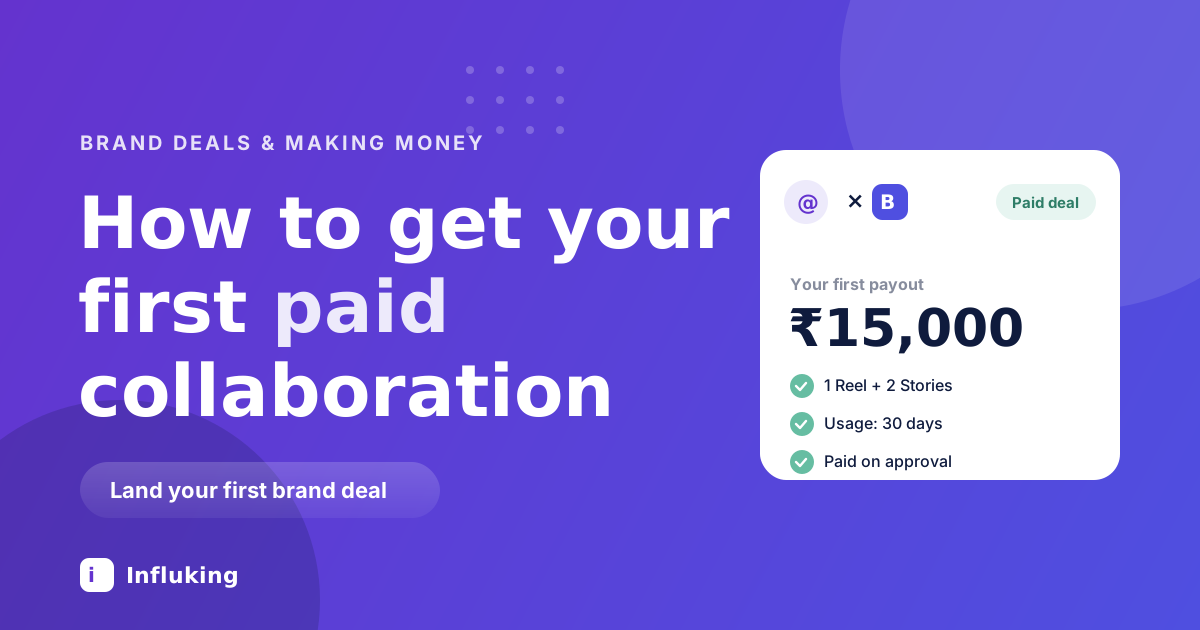
- Propose something concrete. "One Reel and two Stories" is easier to say yes to than "let's collaborate".
- State that you have rates, and attach the media kit. You do not have to put the price in the first message, but signal that this is paid work.
- Keep it to five sentences. Make it easy to reply to.
Send it to the marketing or brand team, not a general inbox, and follow up once after a week if you hear nothing.
What should you charge for your first collaboration?
Do not work for free hoping it leads somewhere, and do not undercharge so badly that the brand values you less. A rough starting point many creators use is around a few hundred rupees per thousand followers for a post, then adjust for your engagement, your niche, and how much the brand is asking for. High-value niches like finance or tech pay more than general lifestyle. Usage rights, exclusivity and extra deliverables all cost more, so price the whole ask, not just the post.
Gifted deals, where you get the product but no fee, can be worth taking for a brand you love or to build your first examples, but treat them as a choice, not a habit. Once you have proof, charge.
Protect yourself before you post
Even a small first deal should be written down. A short agreement over email is enough to prevent the common problems.
- Deliverables. Exactly what you will post, how many, and on which platforms.
- Timeline. When you deliver drafts and when it goes live.
- Usage rights. Where and how long the brand can reuse your content. Reusing it in paid ads forever is worth far more than one Story, so charge for it.
- Payment terms. The amount, and when you get paid. Getting part of it up front is normal, and it protects you from chasing an invoice for months.
This is one reason creators use a platform for early deals. When the brief, the approvals and the payment run through one place, the terms are clear and the money actually arrives.
Deliver so they hire you again
The real prize is not the first deal, it is the second. Brands rebook creators who are easy to work with. Hit the deadline, follow the brief, disclose the partnership clearly, and send the content a little early so there is time for one round of edits. A creator who delivers cleanly becomes the one a brand calls first next quarter, and repeat clients are how this turns into steady income.
Common mistakes with a first collaboration
- Waiting for brands to come to you. Most first deals come from creators who pitched. Do not wait.
- Working for exposure. Exposure does not pay rent, and it teaches brands your work is free.
- Pitching brands that do not fit. A mismatch is obvious to your audience and to the brand. Pitch products you would actually use.
- No agreement. A handshake deal is how you end up unpaid or reused in ads for nothing.
- Hiding the ad. Not disclosing a paid partnership breaks the rules and your audience's trust. Mark it clearly.
Your first paid collaboration is proof that your audience has real value, and it changes how you see your own account. Get the profile ready, pitch the right brands or let a platform match you, price your work fairly, and deliver so well that the first deal becomes a second.