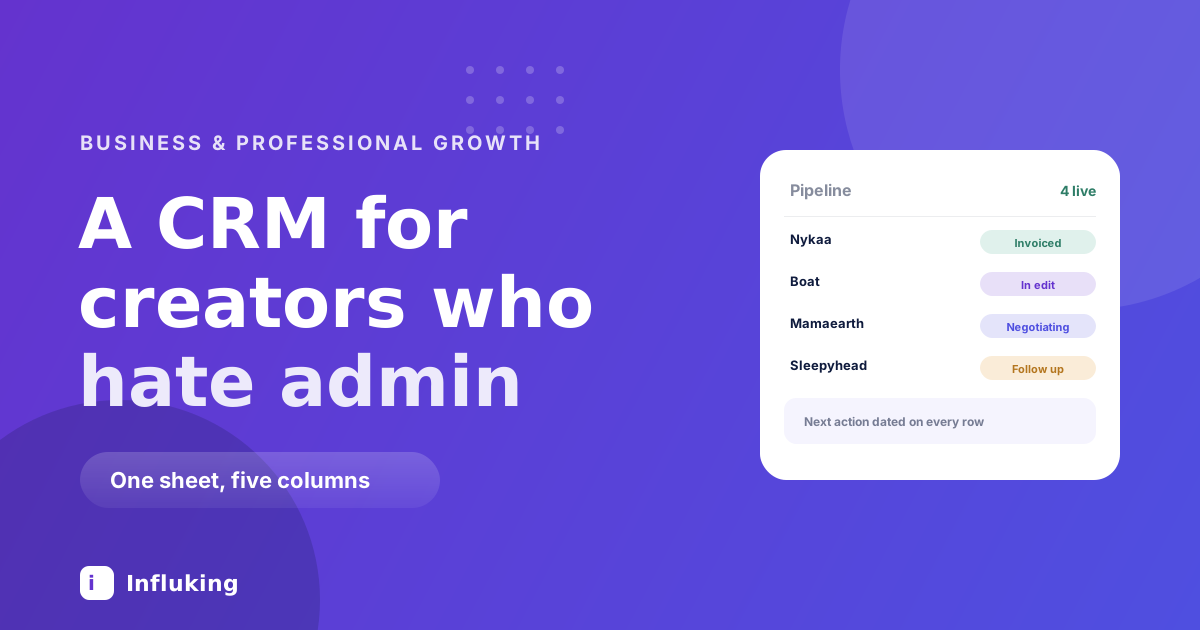
Ask a creator how many brand conversations they have open and most cannot answer. The deals are spread across Instagram DMs, two email accounts, a WhatsApp thread and memory, which means the ones that go quiet simply disappear.
That is where most lost income actually goes. Not to brands saying no, but to threads nobody followed up on.
Why a spreadsheet beats software
Proper CRM software is built for sales teams with pipelines you do not have. It takes an afternoon to set up, needs maintaining, and creators abandon it within a month.
A spreadsheet opens instantly, needs no setup, and you will actually update it. The value is not in the tool, it is in having one place where every conversation exists. Sophistication is what kills adoption here.
The five columns
- Brand. Company name.
- Contact. Person's name and how to reach them, including which channel the conversation is on.
- Stage. Where it is, from a fixed list.
- Next action. What you will do next, in plain words.
- Next action date. When. This column does most of the work.
Add value and notes columns once the basic five are habitual. Starting with twelve columns is how people stop using it in week two.
The stages
- To pitch. Identified, not contacted.
- Pitched. Sent, awaiting reply.
- In conversation. They replied, scope being discussed.
- Quoted. Numbers sent, awaiting decision.
- Agreed. Terms confirmed, work not started.
- In production. Filming or editing.
- Delivered. Sent, awaiting approval or publication.
- Invoiced. Awaiting payment.
- Paid. Done.
- Dormant. Not now, worth revisiting.
Dormant is the most valuable stage and the one people omit. A brand that said "not this quarter" is a warm lead with a date attached, not a rejection.
The one rule
Every open row has a next action and a date. No exceptions.
If you cannot think of a next action, the action is "follow up" with a date two weeks out. A row with an empty next-action column is a deal you have silently abandoned, and that is the state most creator conversations end in.
Then work the sheet by date. Sort by next action date, do today's rows, move the dates forward. That is the entire system, and it takes about ten minutes a day.
A follow-up cadence
Most people follow up once or not at all. A light, spaced cadence converts far better and does not read as pestering.
- Day 0. Pitch sent.
- Day 7. One follow-up in the same thread, per the outreach templates.
- Day 21. Move to dormant with a date three months out.
- Three months. Reconnect with something new: a relevant post that performed, a seasonal idea, a result from another campaign.
The three-month reconnect is where a surprising amount of work comes from, because budgets reset, people change roles, and the brand that ignored you in March is planning a campaign in June.
Log what happened after every deal
Two minutes at the end of each job, and it compounds.
- What you charged, and for what deliverables.
- How the content performed, since this is what wins the rebooking.
- Their payment behaviour, which decides whether you ask for a deposit next time.
- Anything about how they work: slow approvals, a particular person who decides, a format they liked.
- When to contact them again.
Six months later this file is what lets you write a reconnect email with a specific result in it rather than a generic hello, and it feeds the reporting habit in managing clients.
What it tells you at a glance
Once there are thirty rows, patterns appear that are invisible day to day.
How many pitches produce one deal, so you know how much outreach a target income requires. Which categories reply and which never do. Your true average deal value across everything, not just the good ones. How long the cycle takes from first contact to payment, which is usually far longer than people assume and explains cash flow problems. And how much is sitting in "invoiced" right now, which is the number that matters most in a slow month.
Those figures turn income from something that happens to you into something with inputs you control, which is what building a creator business is really about.
Keeping it alive
- Update at the moment something happens, not in a weekly session you will skip.
- Keep it open in a tab. Friction is the enemy.
- Do not add columns you will not fill. Empty columns make the sheet feel like a chore.
- Review it in the monthly session, alongside the numbers in your monthly review.
- Never delete rows. Move them to paid or dormant. The history is the value.
The whole thing is one sheet and ten minutes a day. It will not make you better at pitching, and it will stop the specific, boring, expensive failure of forgetting a conversation that was going well.