No posts in this category yet.
Influencer checklist
Free PDF, three pages, no signup. Five checklists covering the moments things actually go wrong: before you publish, every week, before signing a deal, while delivering it, and once a month.
Creator KPI dashboard
Free PDF, no signup. The exact sheet: two tabs, every column, the formulas, and where each number comes from. Twenty minutes to build, ten a month to keep.
Invoice template
Free PDF, no signup. Every field an invoice needs to get paid on time, the details to collect first, and the follow-up messages for when it is late.
Sponsorship agreement template
Free PDF, no signup. Eleven clauses in plain language for a straightforward creator campaign, with notes on what each protects. Have a lawyer review before use.
Call-to-action library
Free PDF, no signup. Forty calls to action sorted by what you want people to do. Ask for one thing, ask plainly, and place it where people are still watching.
Hook library
Free PDF, no signup. Sixty openers sorted by the mechanism they use, ready to fill in. Copy the shape, put your subject in the blank, write ten and publish the best one.
Caption templates
Free PDF, no signup. Twelve caption structures with the blanks marked, for the post types you actually publish. Fill them in and get the first line right.
Reels planning sheet
Free PDF, no signup. Eight fields to fill before the camera goes on, plus the retention checklist to run afterwards. Five minutes here saves an hour of filming.
Monthly content planner
Free PDF, no signup. A planner built around production stages rather than dates, so a bad week means fewer items advance instead of a missed post.
Media kit template (fill-in)
Free PDF, no signup. Seven fill-in blocks with the exact wording for each, and what to write when you have no brand work yet. Copy it, then export one page.
Rate card template
Free PDF, no signup. The card line by line, with every item most creators forget to charge for. Fill in your numbers and send it as a PDF.
Brand proposal template
Free PDF, no signup. The one-page document you send after a brand replies. Five sections, plus the second option that turns a yes-or-no into a which-one.
Brand pitch email templates
Free PDF, no signup. Eleven templates for the situations that actually come up, from the cold pitch to the rate rise. Copy, change the specifics, send.
365 Instagram content ideas
Free PDF, no signup. Thirty prompts crossed with twelve format lenses gives you 360 distinct posts. The full grid, plus where your own prompts come from.
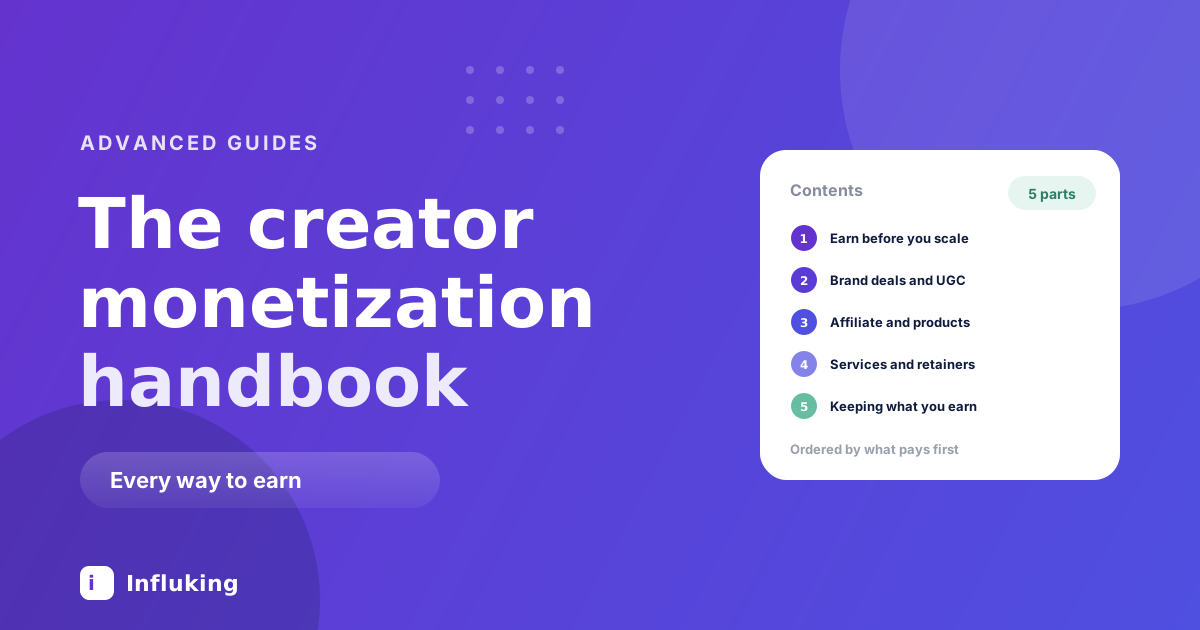
Creator monetization handbook
Every way creators actually earn, ordered by what pays first rather than what pays most. What each route requires, what it realistically returns, and how to keep more of it once it arrives.
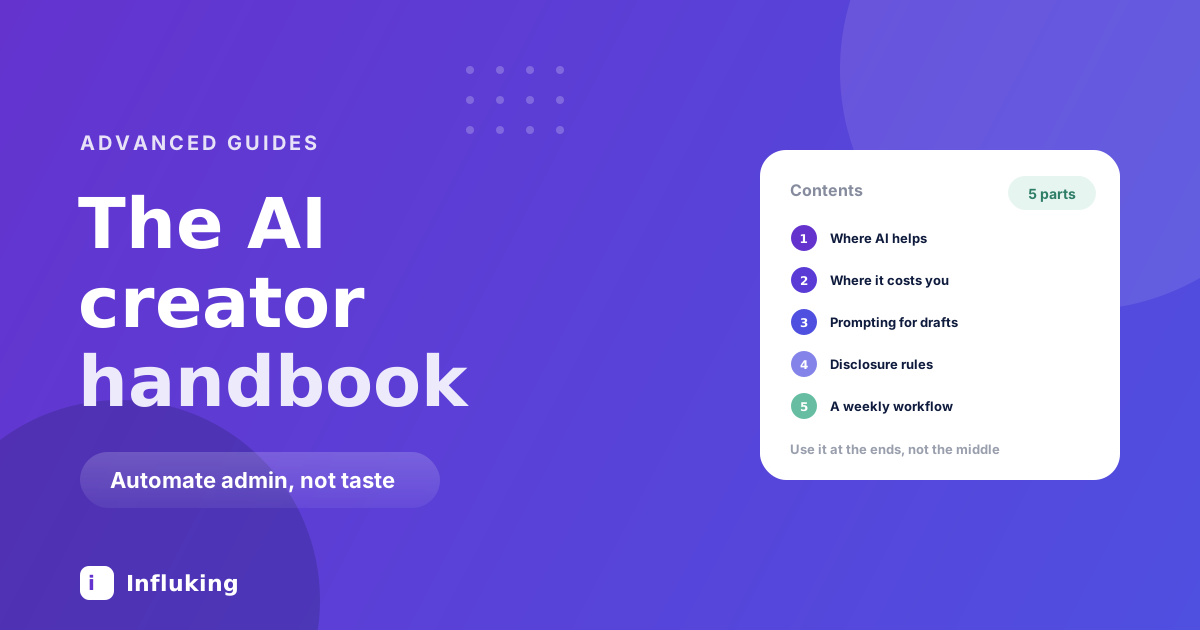
AI creator handbook
Where AI genuinely saves hours across the whole creator workflow, where it quietly costs you an audience, how to prompt for drafts worth editing, and what the disclosure rules mean in practice.
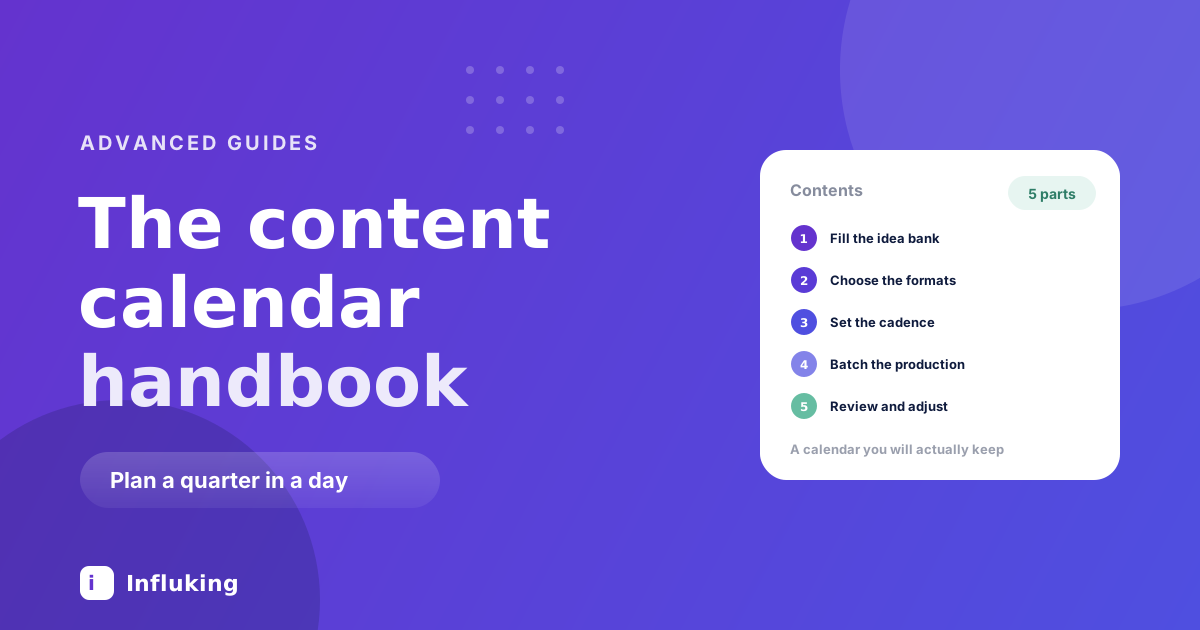
Content calendar handbook
How to plan a quarter in one afternoon: filling the idea bank, choosing the format mix, setting a cadence you can hold, batching production, and leaving room for the posts you could not have planned.
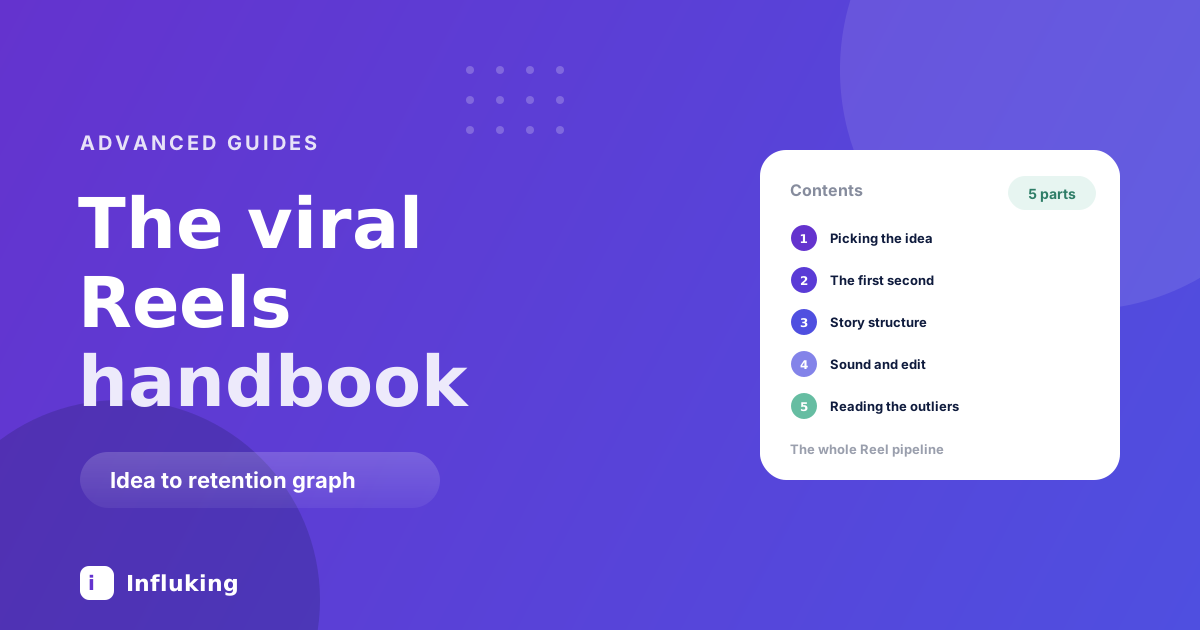
Viral Reels handbook
The whole Reel pipeline in order: picking an idea that can travel, the first second, the shape that holds attention, the edit, and reading the retention graph so the next one is better.
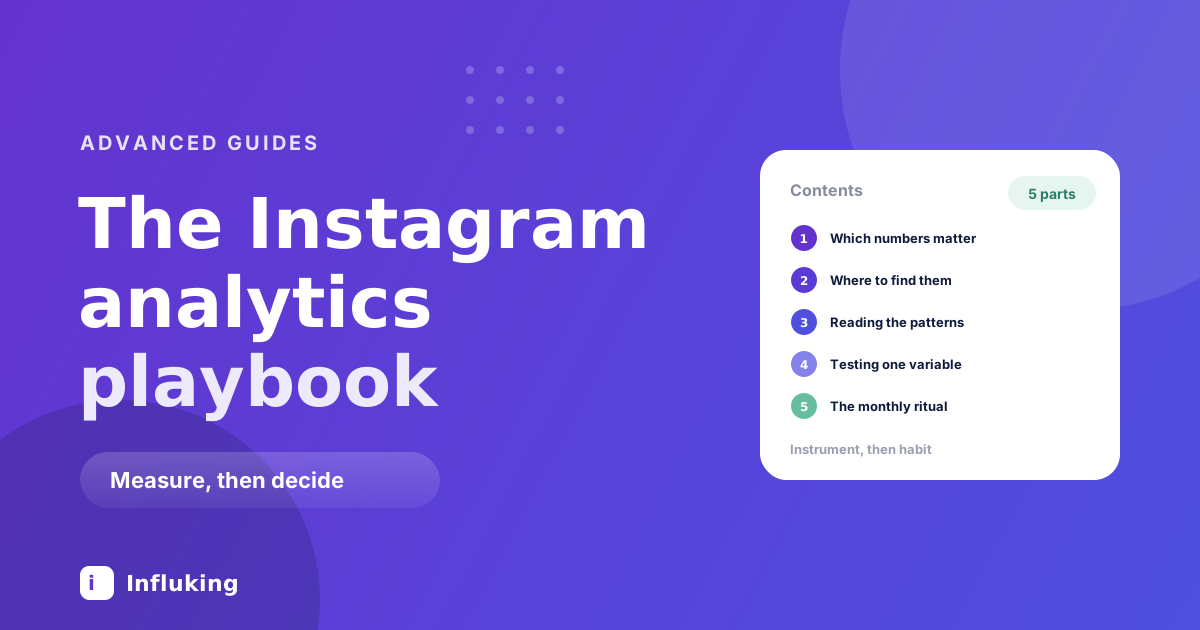
Instagram analytics playbook
A full measurement system rather than a list of metrics: what to track, how to read each pattern, how to run a test that produces an answer, and the monthly ritual that turns numbers into decisions.
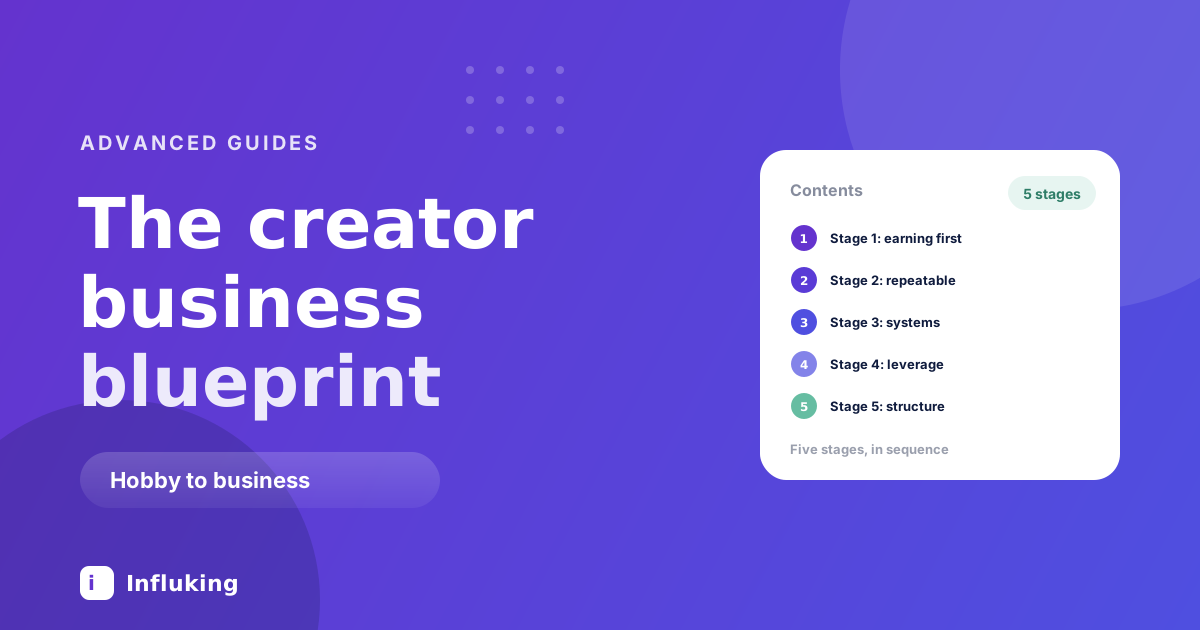
Creator business blueprint
Five stages from first payment to a business that runs without heroics, with the thing to fix at each one. Most creators skip a stage and then wonder why the next one will not hold.
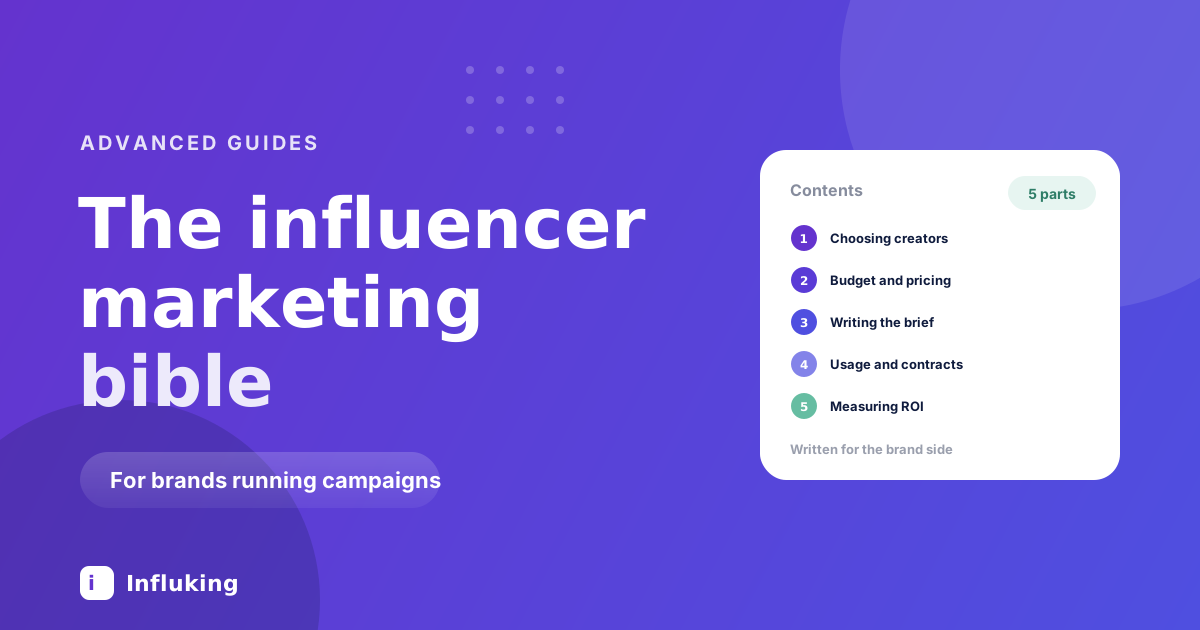
Influencer marketing bible
Written for the brand side. How to pick creators who actually convert, set a budget that works, write a brief creators can execute, buy the right usage rights, and measure something other than reach.
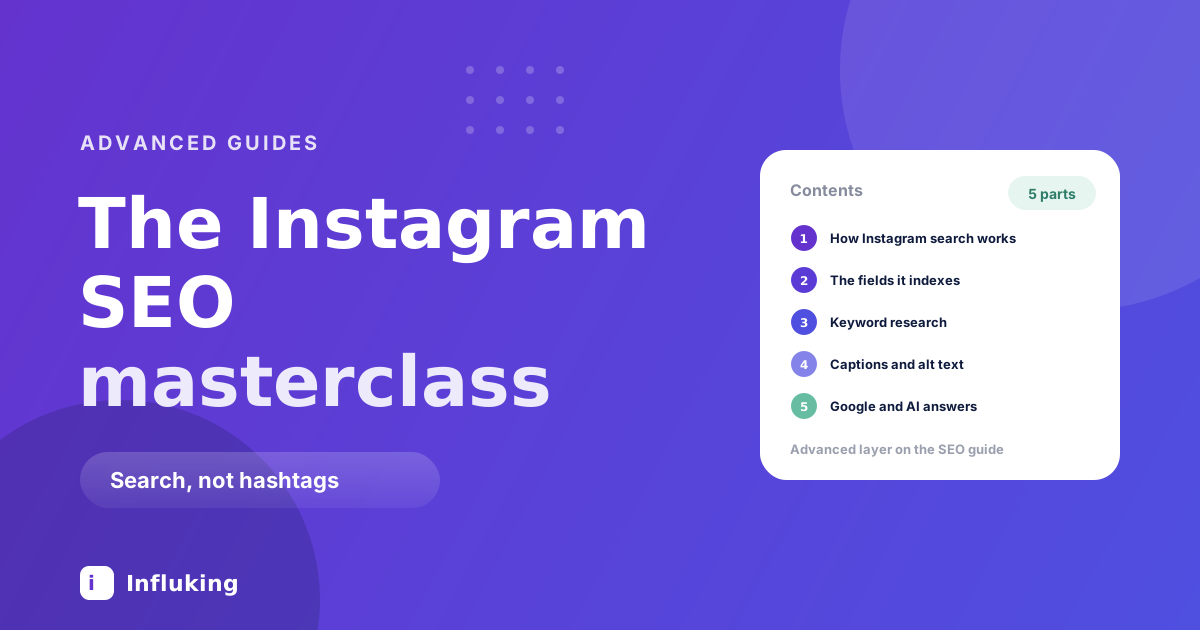
Instagram SEO masterclass
The advanced layer on top of the SEO basics: how each surface indexes differently, doing keyword research properly, ranking on Google as well as in-app, and what changes now that AI assistants answer questions people used to search.
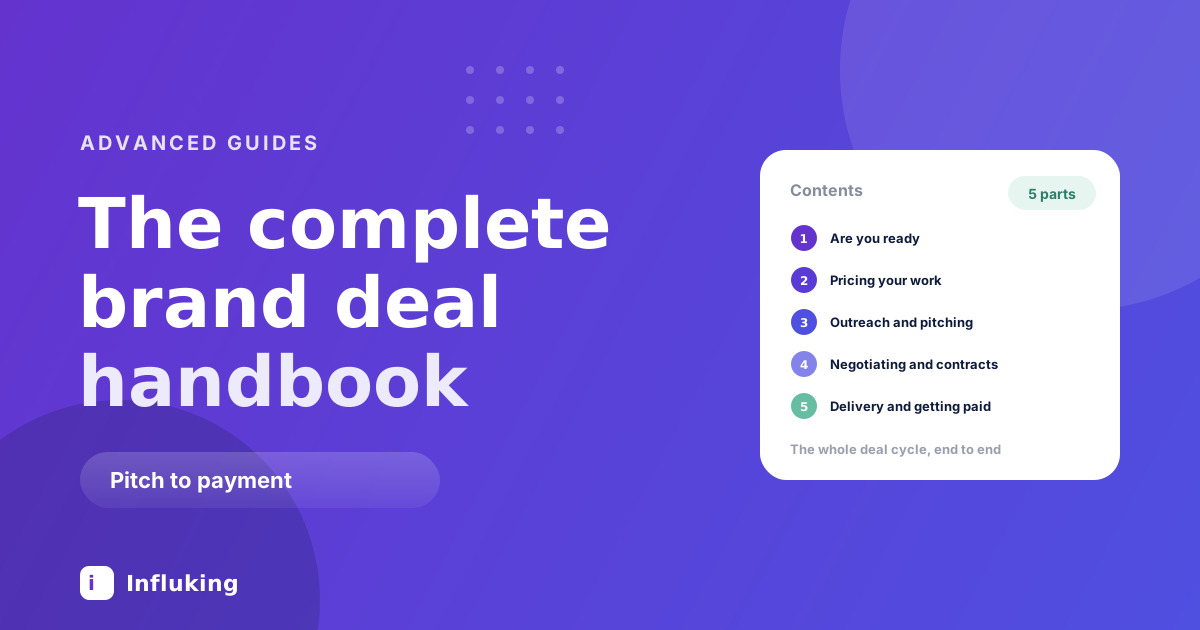
Complete brand collaboration handbook
The full deal cycle from first pitch to cleared payment, in the order it happens. Five parts, each linking to the detailed guide, plus the mistakes that cost the most at each stage.
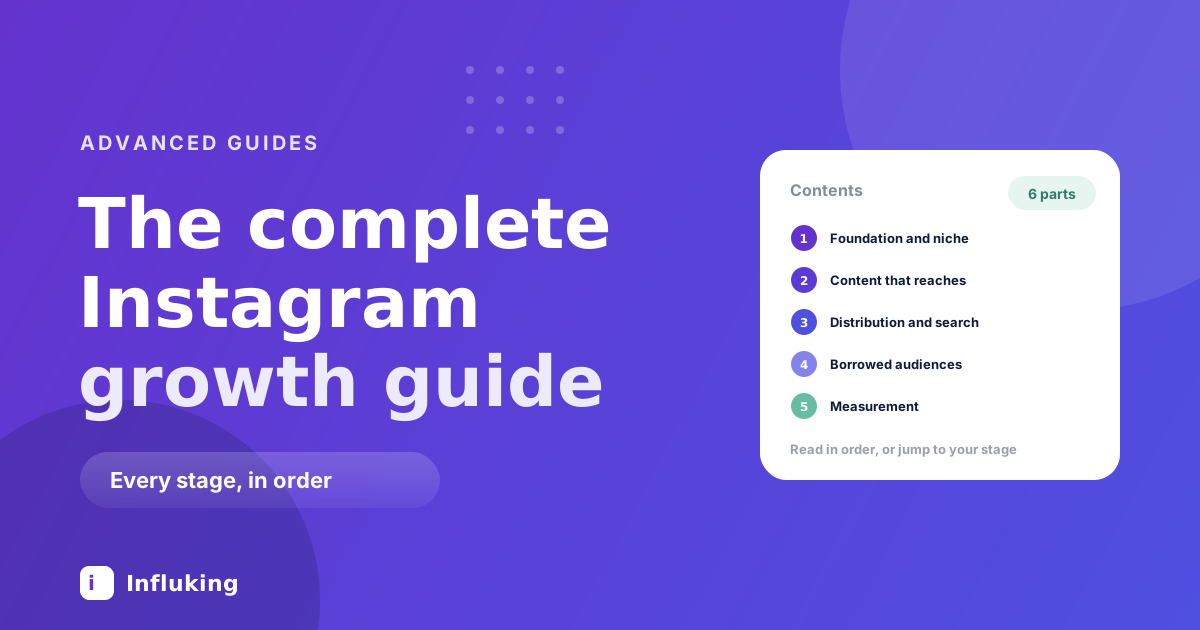
Ultimate Instagram growth guide
The whole growth system in one place, in the order it actually matters. Six parts, each linking to the detailed guide underneath it, so you can read it through or jump to the stage you are stuck at.
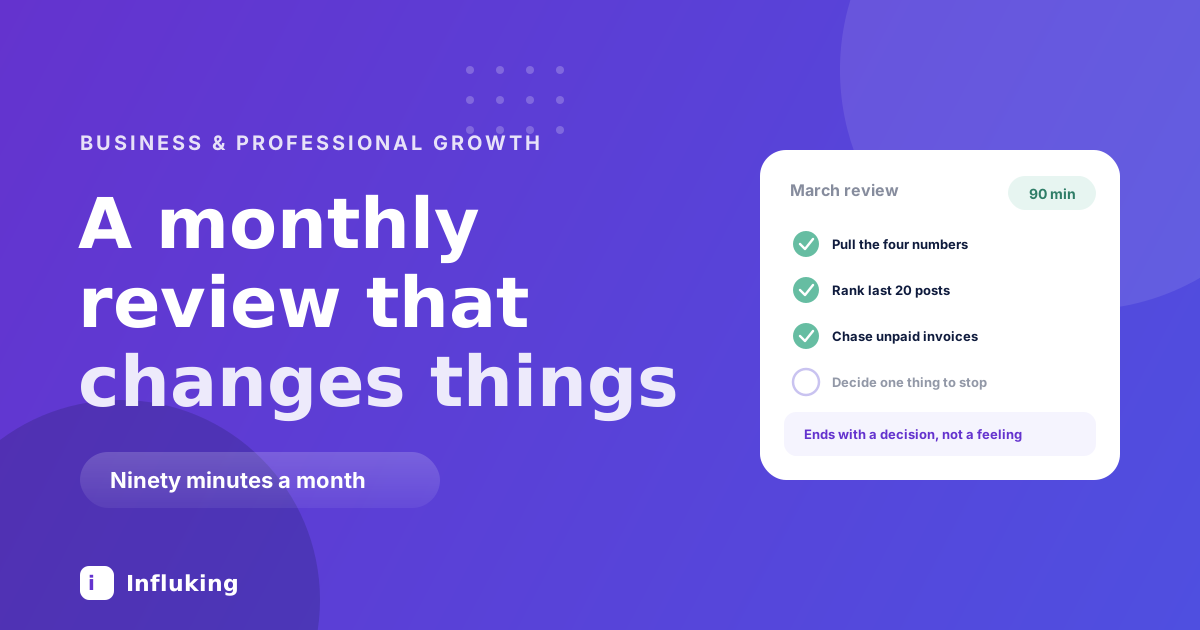
Monthly review template
Ninety minutes on the first of the month, with an agenda. What to pull, what to ask, and the rule that stops a review from being a pleasant look at charts that changes nothing.
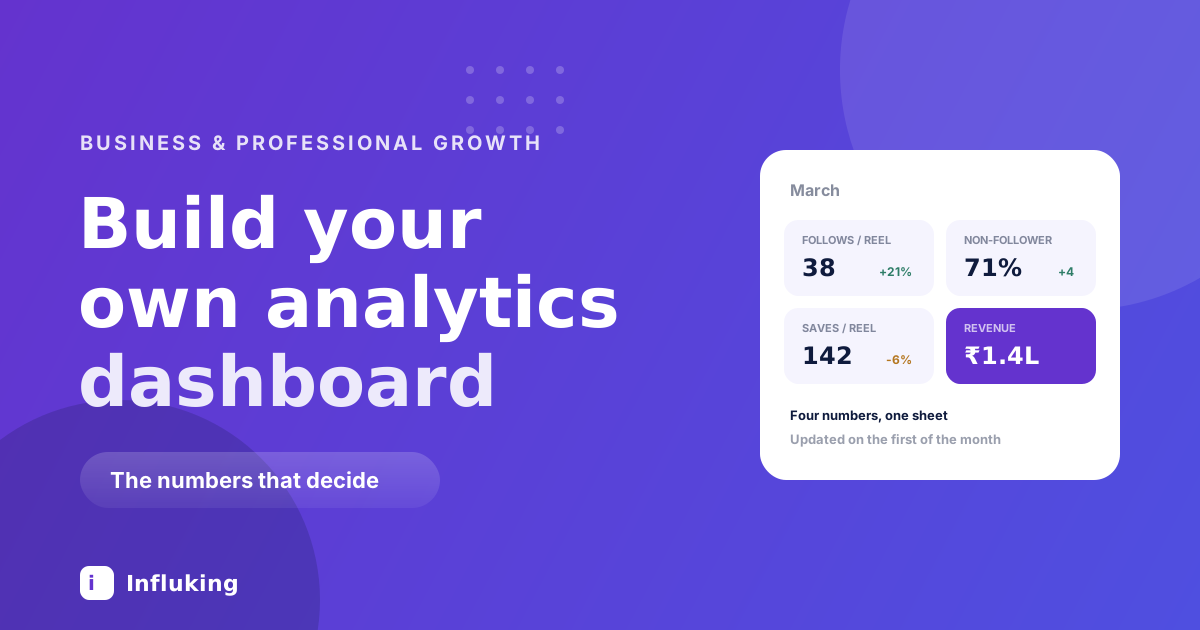
Analytics dashboard
Instagram gives you forty numbers and four of them matter. Which ones, where to find them, and how to build a one-page sheet that tells you what to make more of.
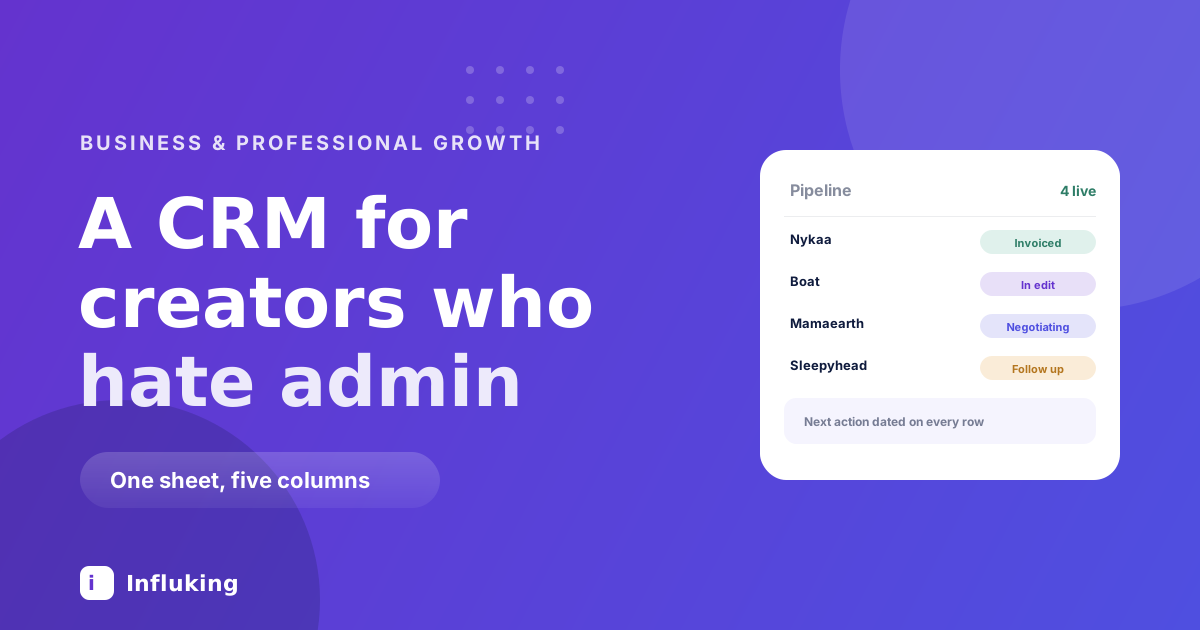
Creator CRM
Most brand deals die from being forgotten rather than refused. A five-column spreadsheet, one rule about next actions, and a follow-up cadence that turns dead threads into booked work.
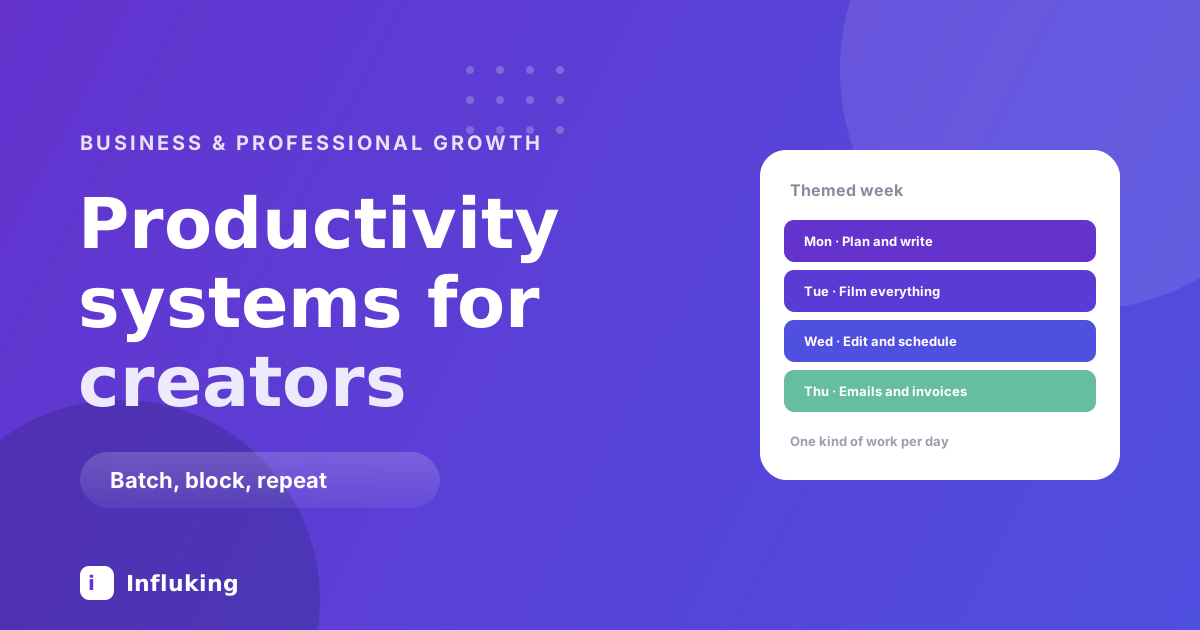
Productivity systems
Creator work fails on context switching, not on hours. Theming your week, batching properly, protecting the thinking time, and building a pipeline so a bad week costs you nothing.
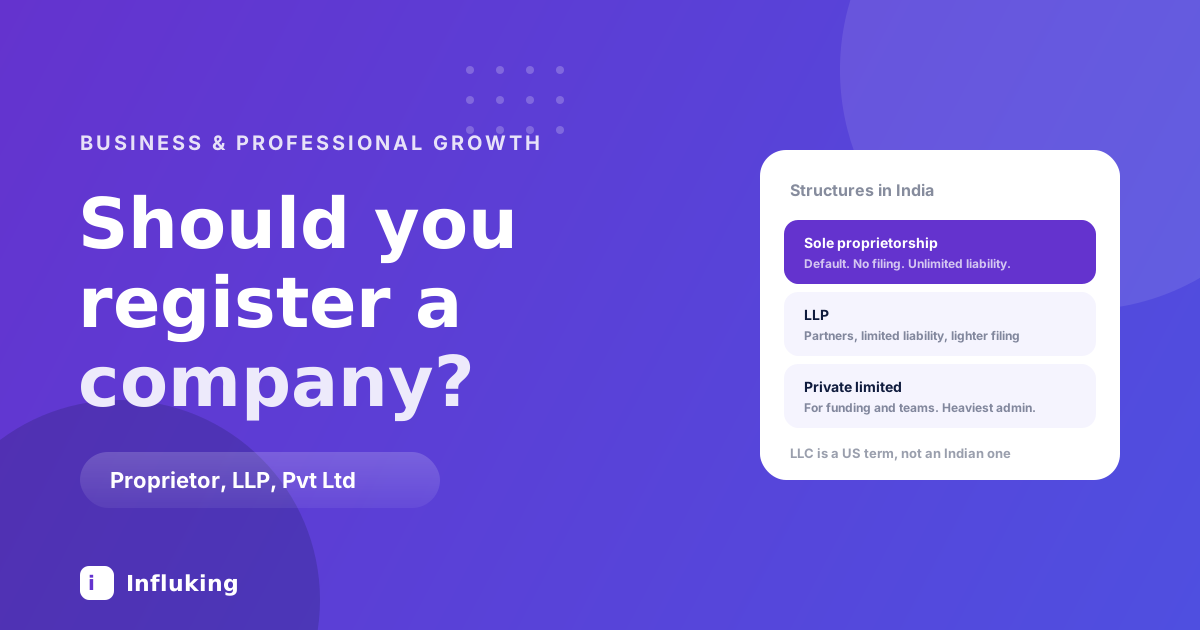
Creating an LLC or company
An LLC is a US structure that does not exist in India. What the actual options are, what each costs to run, when registering is worth it, and why most creators need a bank account long before a company.
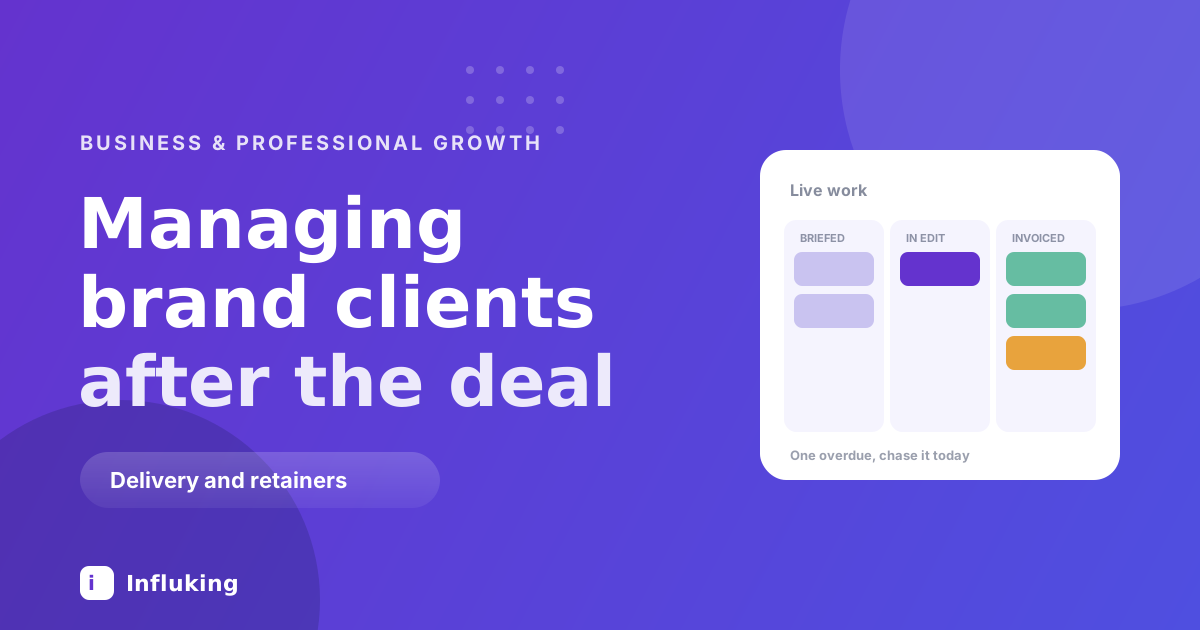
Managing clients
Winning the deal is the easy part. What happens between signature and payment decides whether they book you again, and rebooking is where creator income actually stabilises.
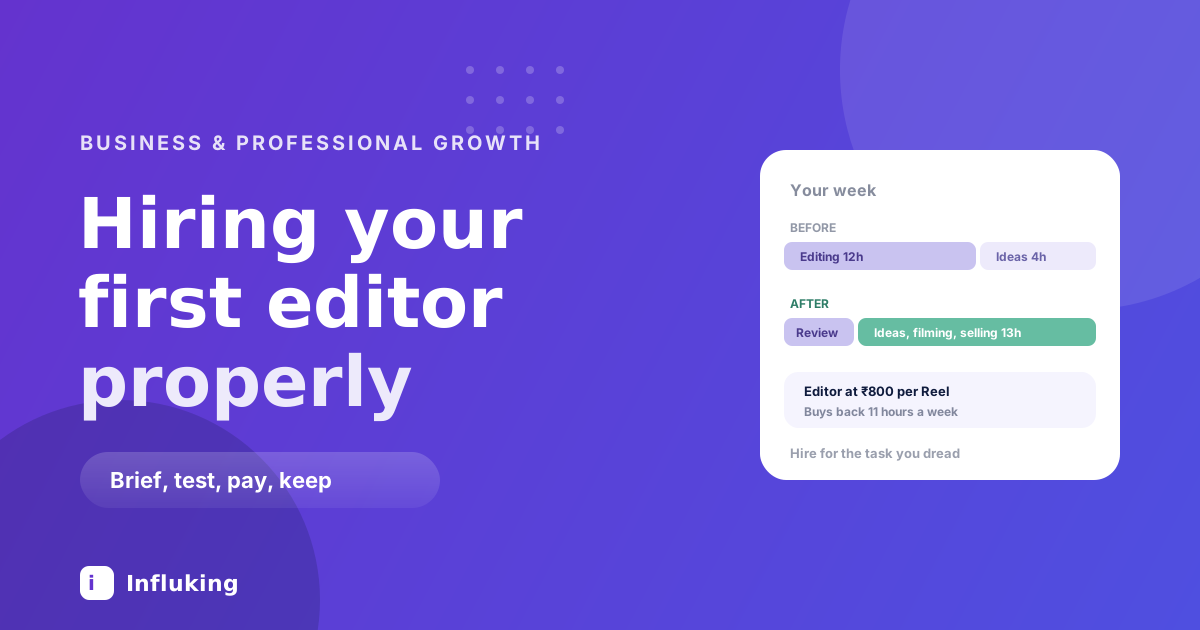
Hiring an editor
The maths that tells you when to hire, where to find someone, how to run a paid trial, what to pay in India, and the style guide that stops you rewriting every edit yourself.
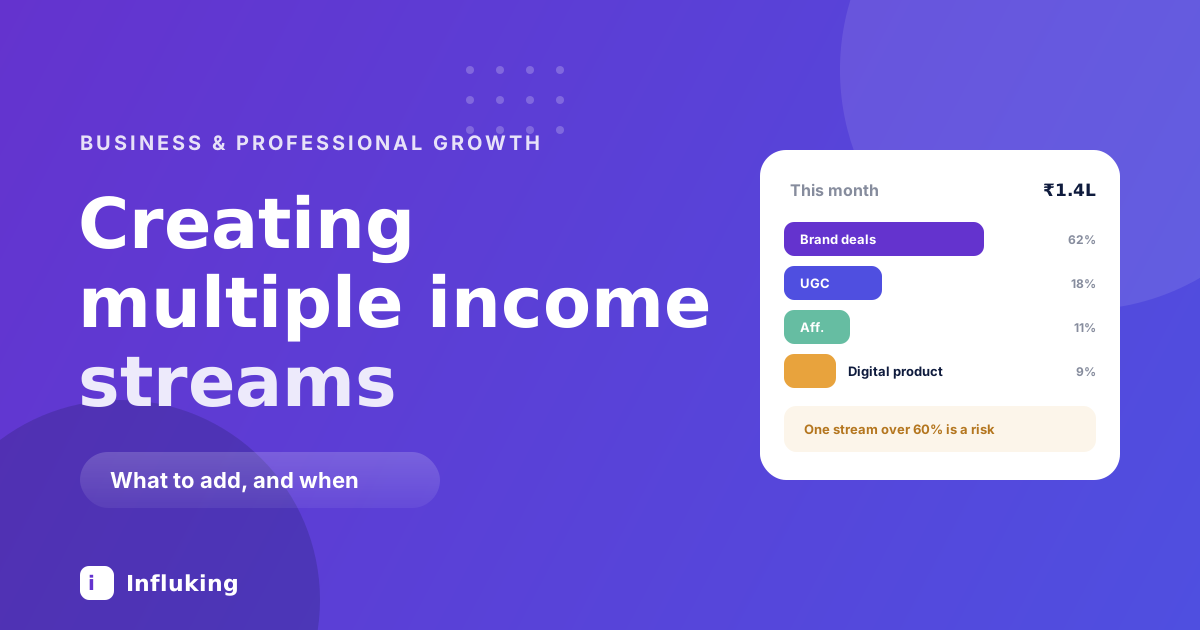
Creating multiple income streams
Diversifying too early is how creators end up doing five things badly. The streams available, roughly what each pays, the order to add them in, and the concentration number that means you are exposed.
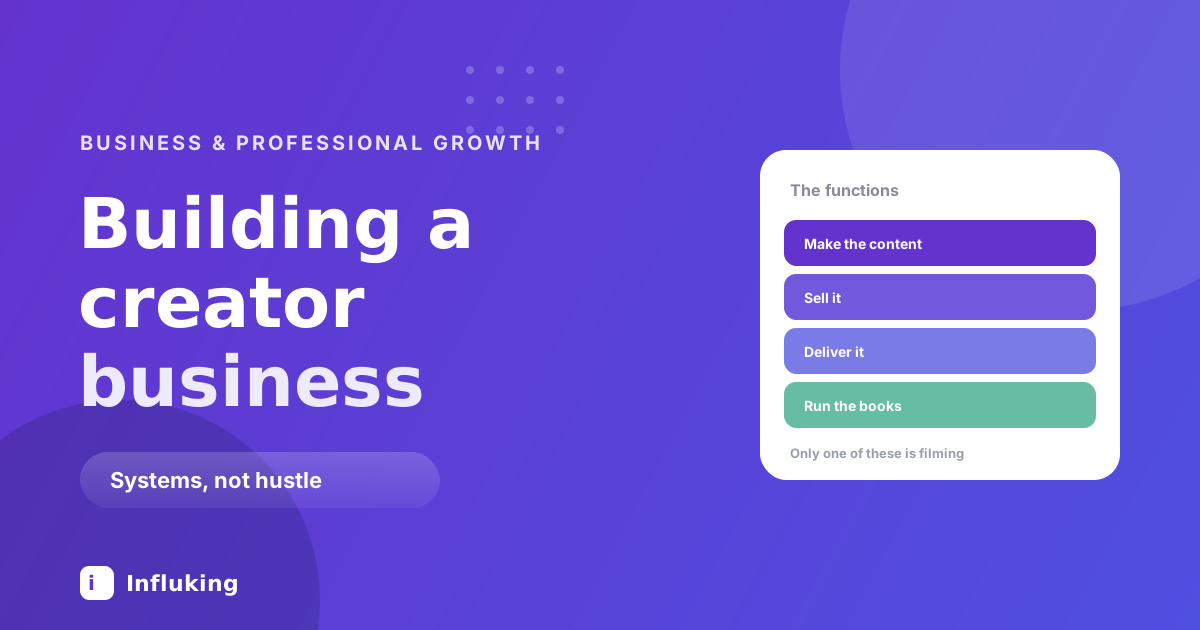
Building a creator business
A creator business has four functions and only one of them is filming. What the other three are, what to systematise first, when going full time is a real decision, and what breaks at scale.
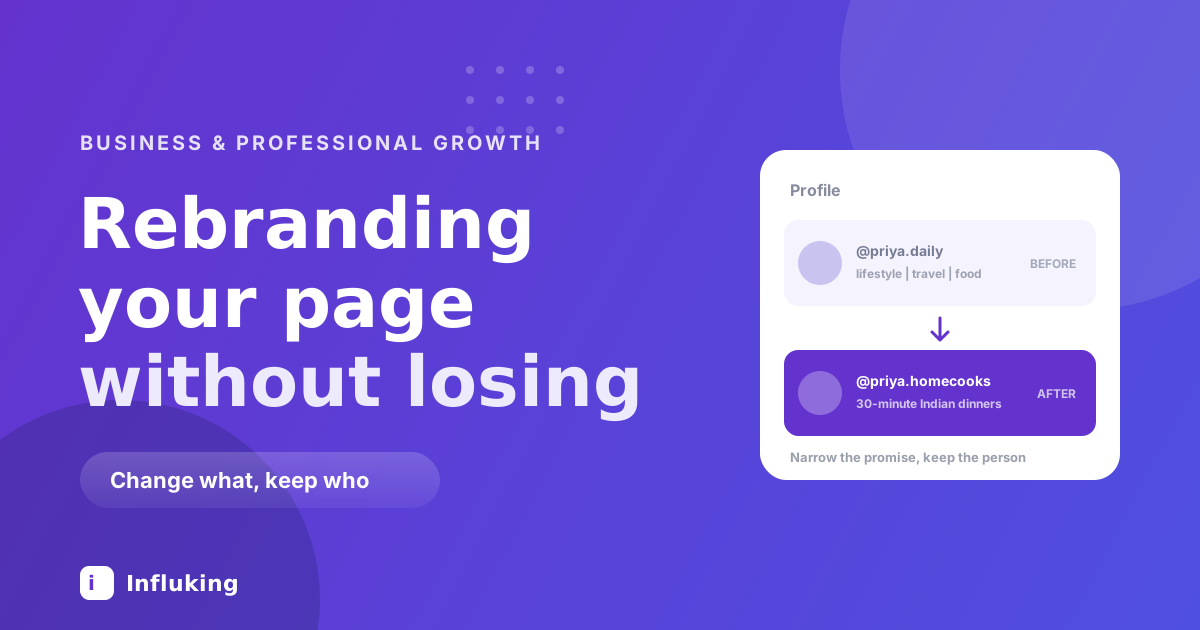
Rebranding your page
Most rebrands are boredom in disguise and make things worse. When a change is genuinely needed, what to change in which order, and how to narrow your promise without losing the audience you already have.
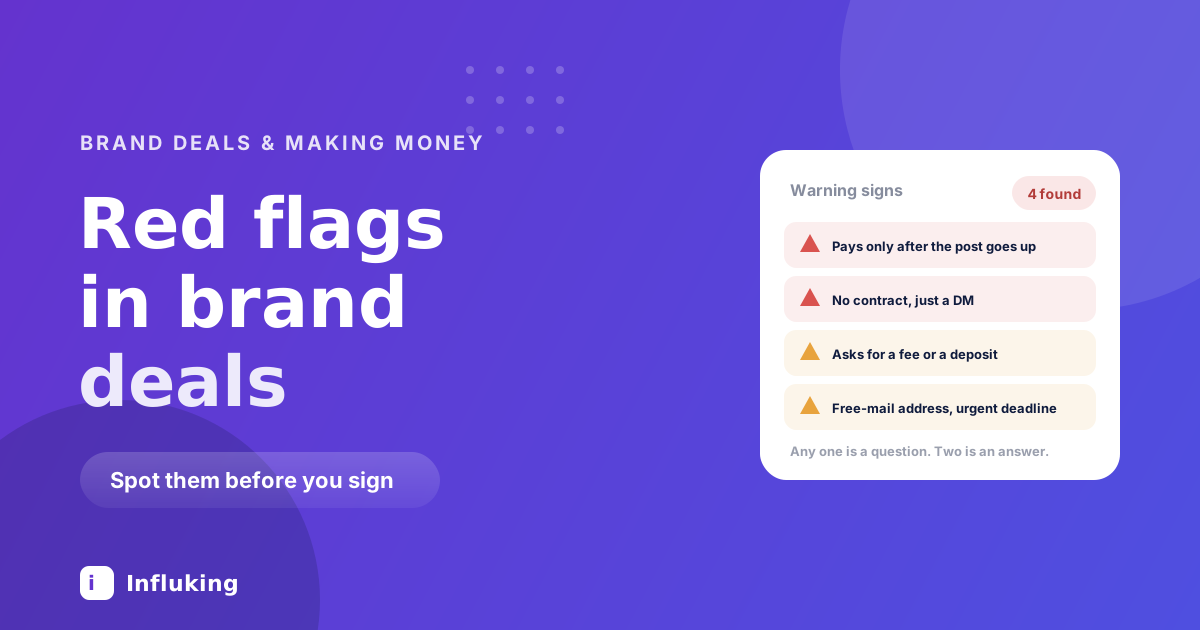
Red flags in brand deals
Some bad deals are scams and some are just brands treating creators badly. How to tell the difference, which warning signs are fatal, and the checks that take five minutes and save a month.
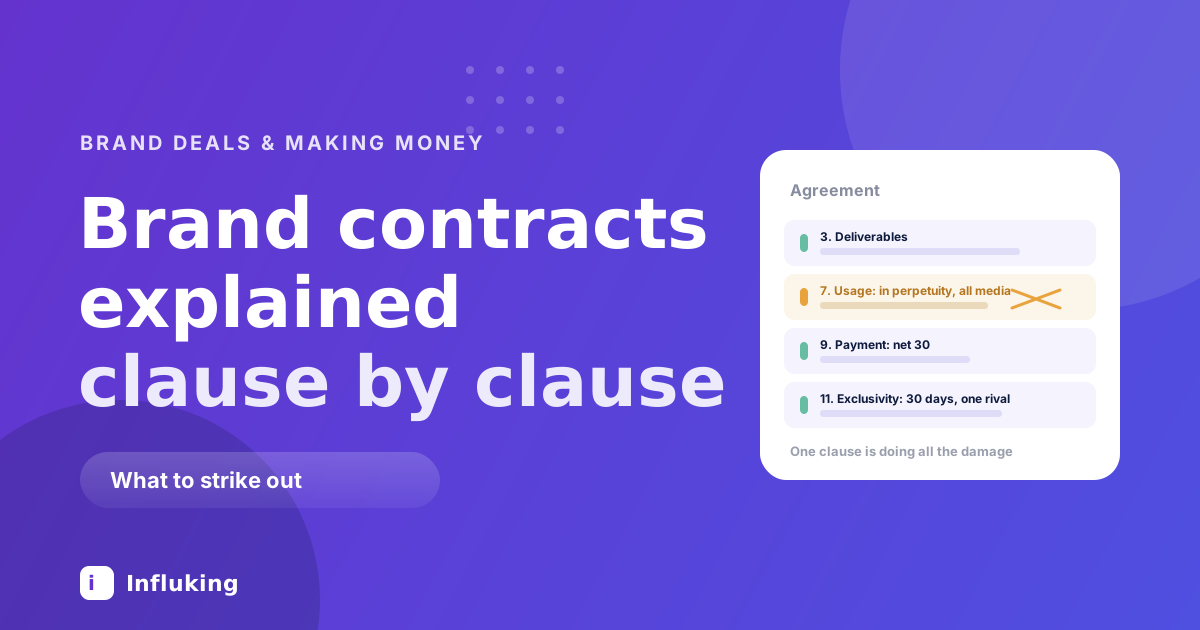
Contracts explained
A brand contract is eight or nine clauses that matter and a lot of boilerplate. What each one does, which wording to push back on, and what to add when the brand sends nothing at all.
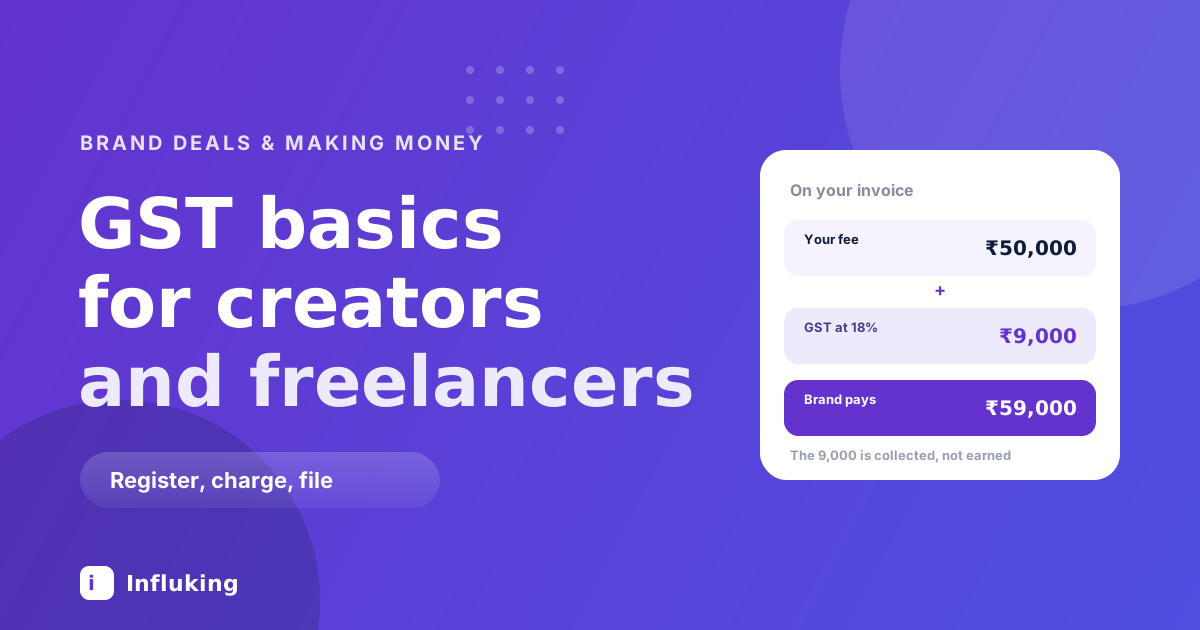
GST basics for creators
GST is money you collect from the brand and pass on, not money you earn. When registration becomes compulsory, what to put on an invoice, why foreign clients are treated differently, and what changes once you register.
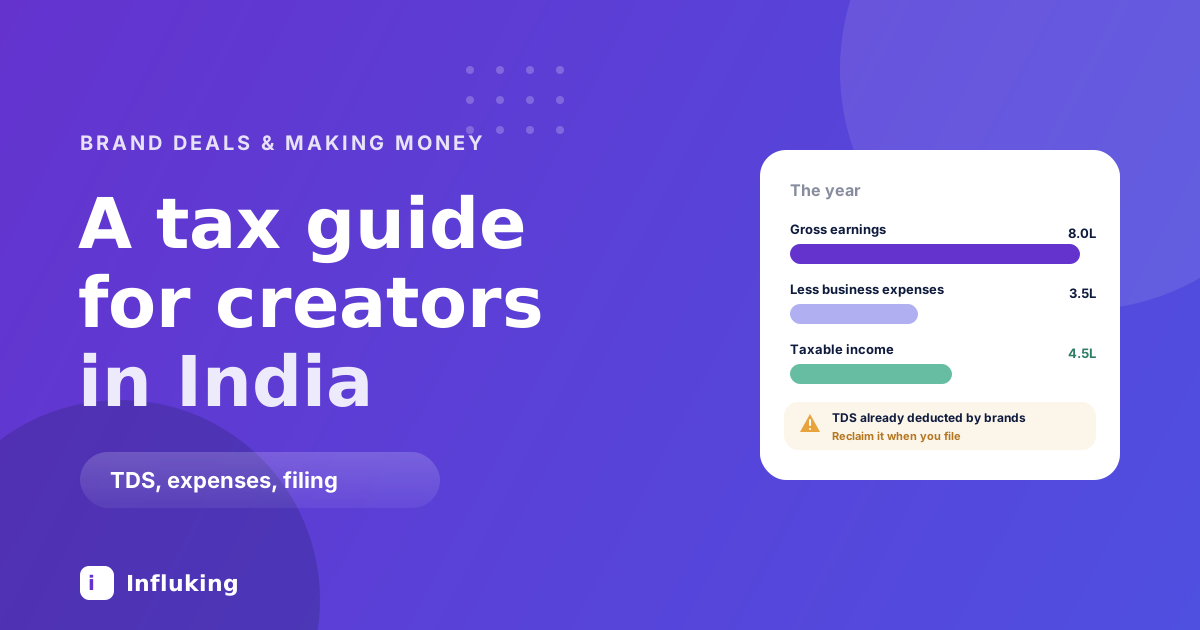
Tax guide for influencers in India
Creator income is business income, brands deduct tax before paying you, and most of your gear is deductible. What to track, what you can claim, and why the money in your account is not what you earned.
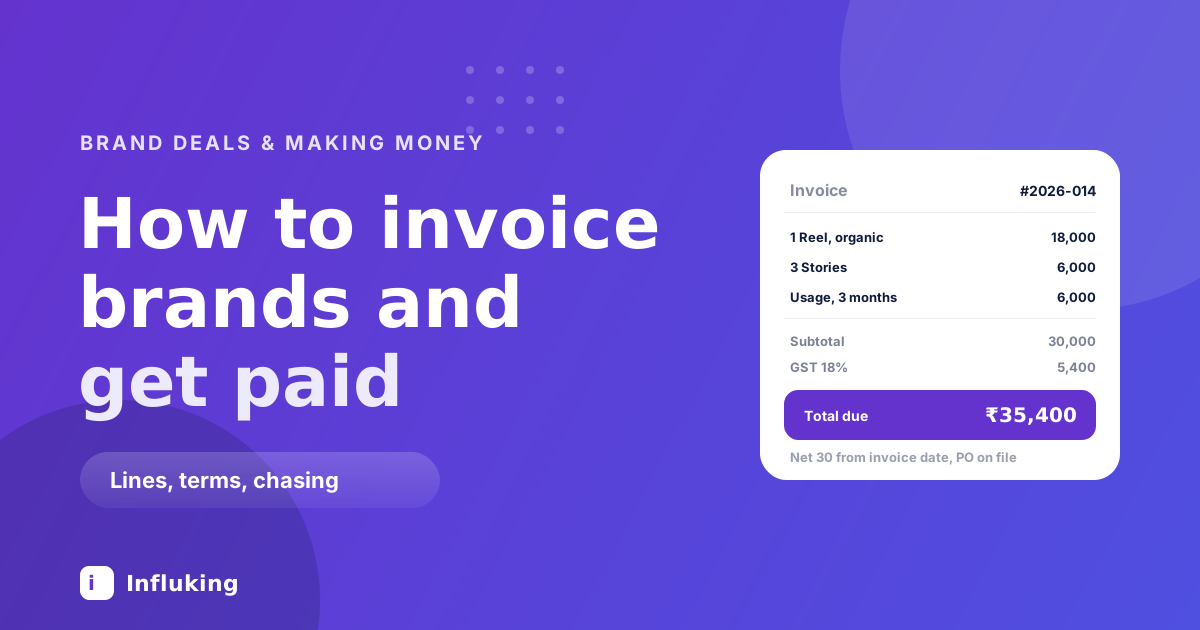
How to invoice brands
A correct invoice gets paid on time and a sloppy one sits in a queue for two months. What every line needs, what to do before you send it, and the escalation sequence when payment does not arrive.
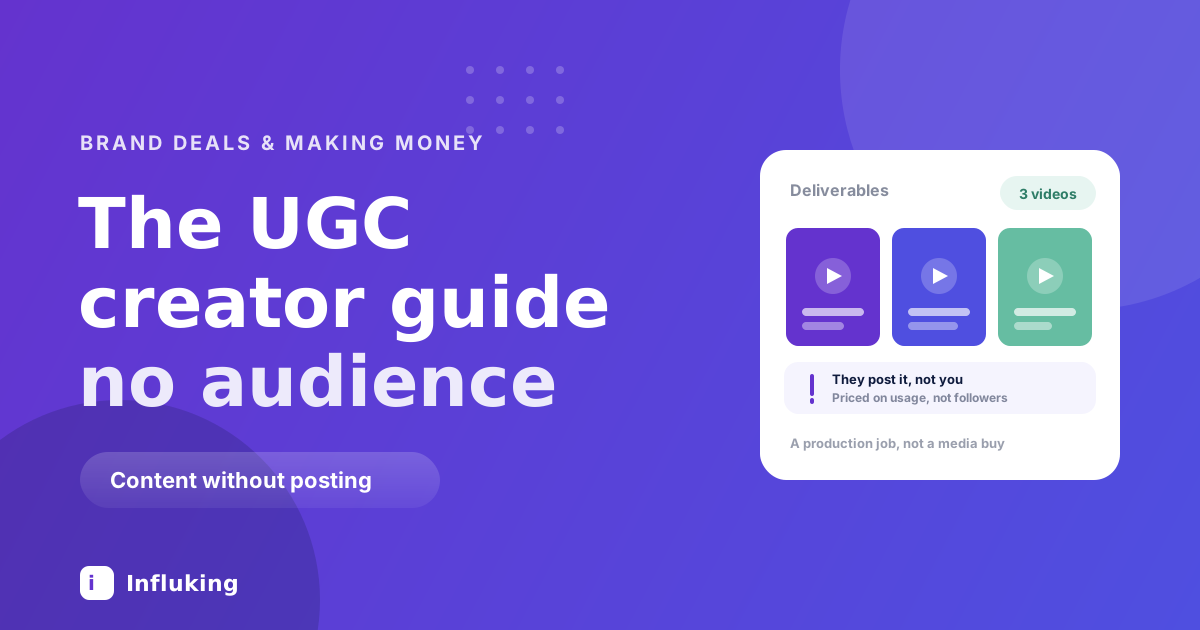
UGC creator guide
UGC is a production job, not a media buy. You make the content, the brand posts it, and your follower count barely matters. What to charge, how to price usage, and how to get hired without an audience.
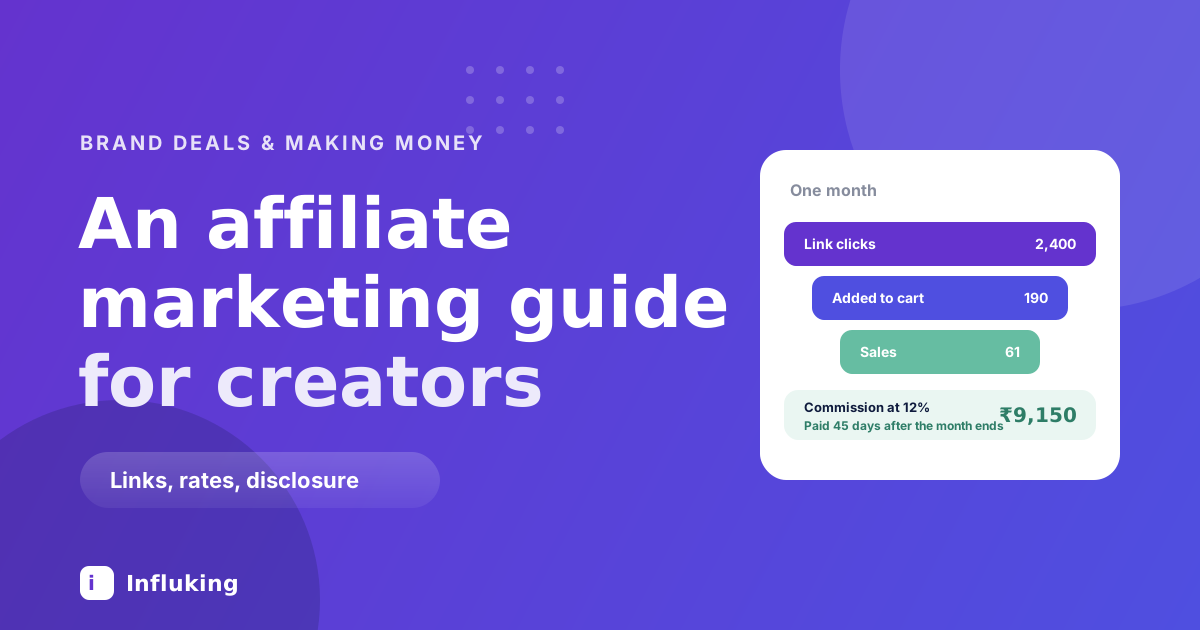
Affiliate marketing guide
Affiliate income is slow, compounding and unglamorous, and it keeps paying long after a sponsored post is forgotten. How the models work, what commission is worth taking, and why most creators earn nothing from it.
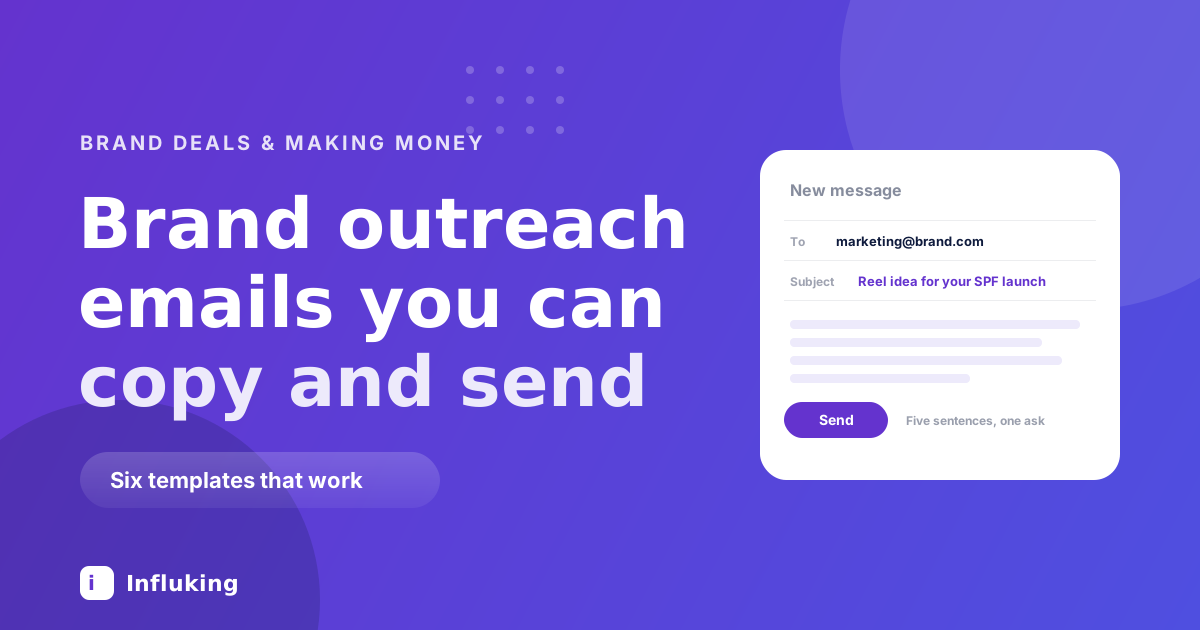
Brand outreach email templates
Six templates for the situations that actually come up: the cold pitch, the follow-up, the reply to a gifted offer, the reconnect, the rate request and the polite no. Copy them, change the specifics, send.
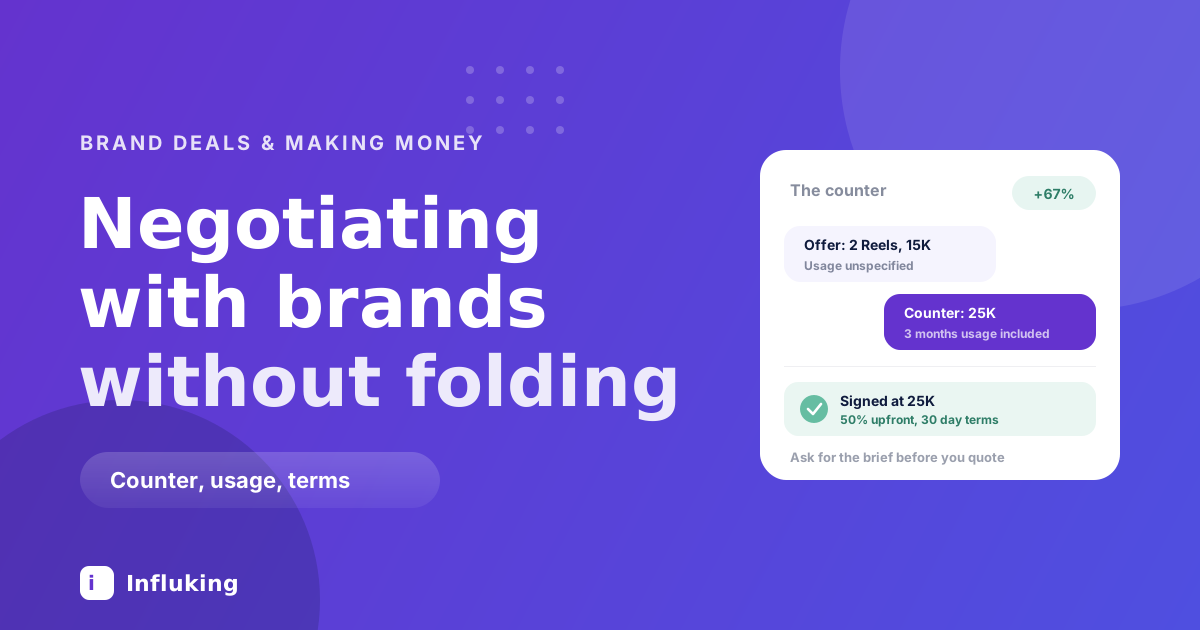
Negotiating with brands
Your rate card sets the opening number. The deal is decided in the three emails after it. What to ask before quoting, how to counter, what to say to the standard lines, and the terms that cost you more than the fee.
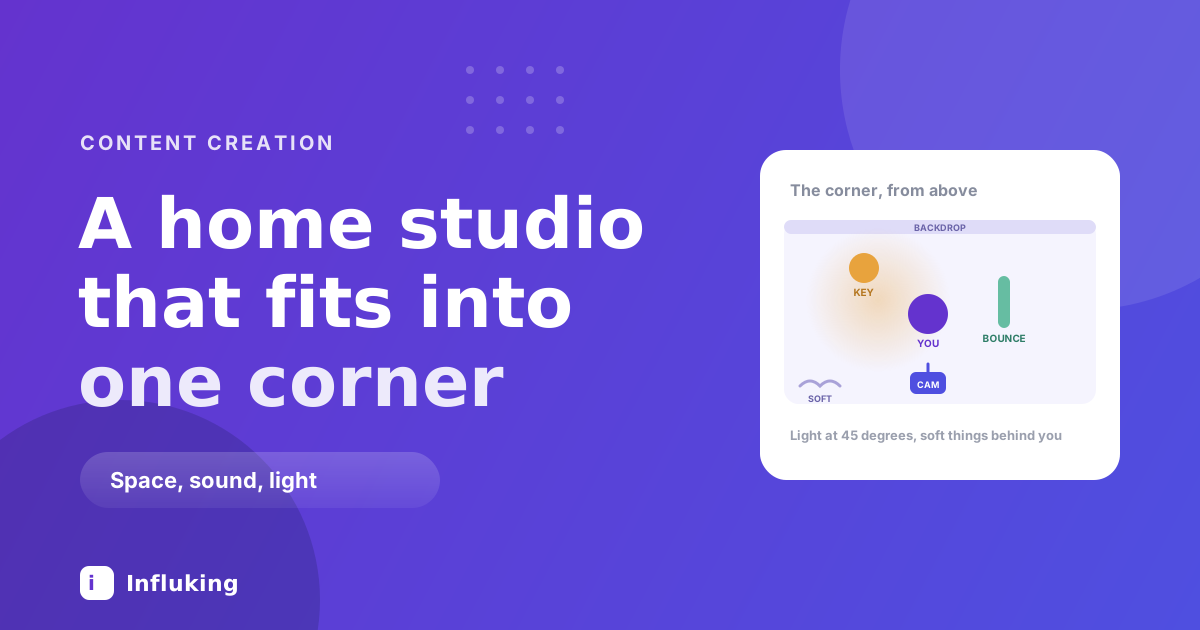
Home studio setup
You need one corner, not a room. How to choose the spot, kill the echo, fix the background, and leave it set up so filming takes five minutes instead of an hour of rearranging furniture.
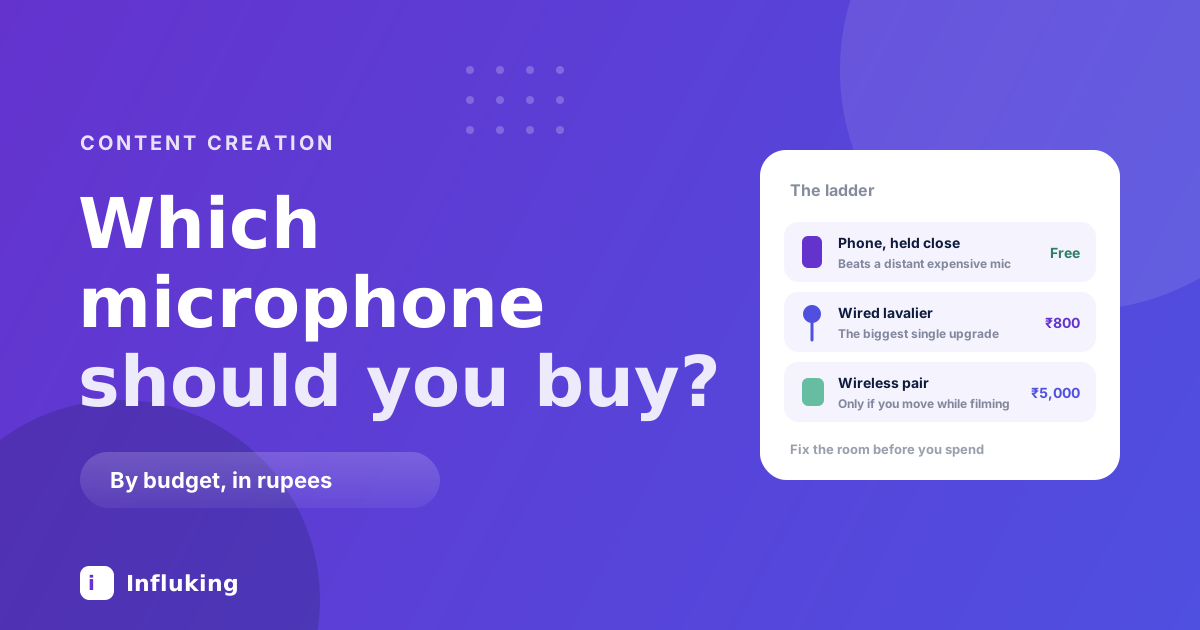
Best microphones for creators
Before you buy anything, get closer and change rooms, because both are free and both beat an upgrade. Then, if you still need a microphone, what to get at each budget and what each one is genuinely for.
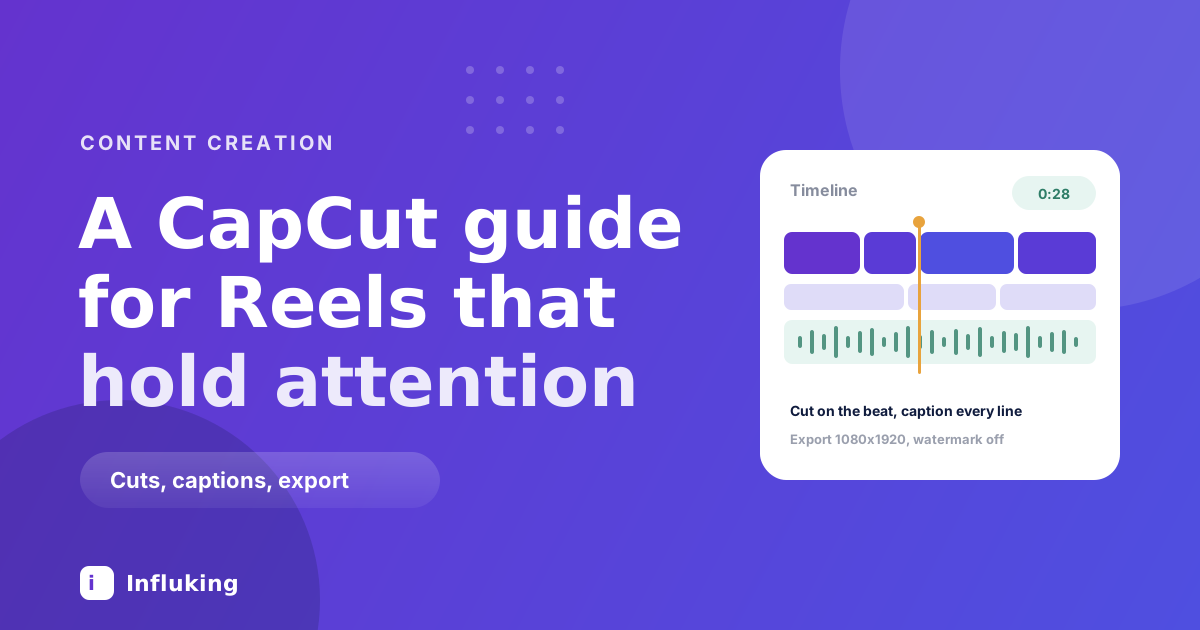
CapCut guide
The features worth learning, in the order they affect retention. Cutting the dead air, captions that get read, beat markers, keyframes, and the export settings that stop Instagram destroying your quality.
Canva guide
You do not need design skill, you need a brand kit and four templates. How to set Canva up once so every future carousel, cover and story takes five minutes instead of forty.
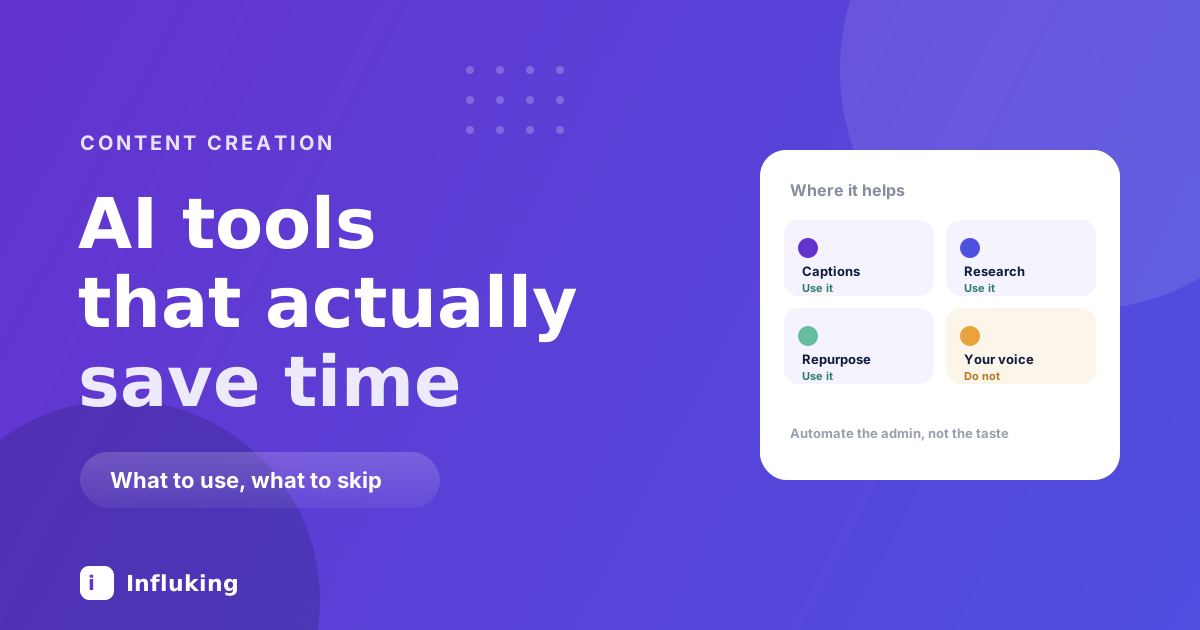
AI tools for creators
AI is genuinely good at the admin around content and genuinely bad at the part people follow you for. Where it saves real hours, where it quietly costs you an audience, and how to use it without sounding like everyone else.
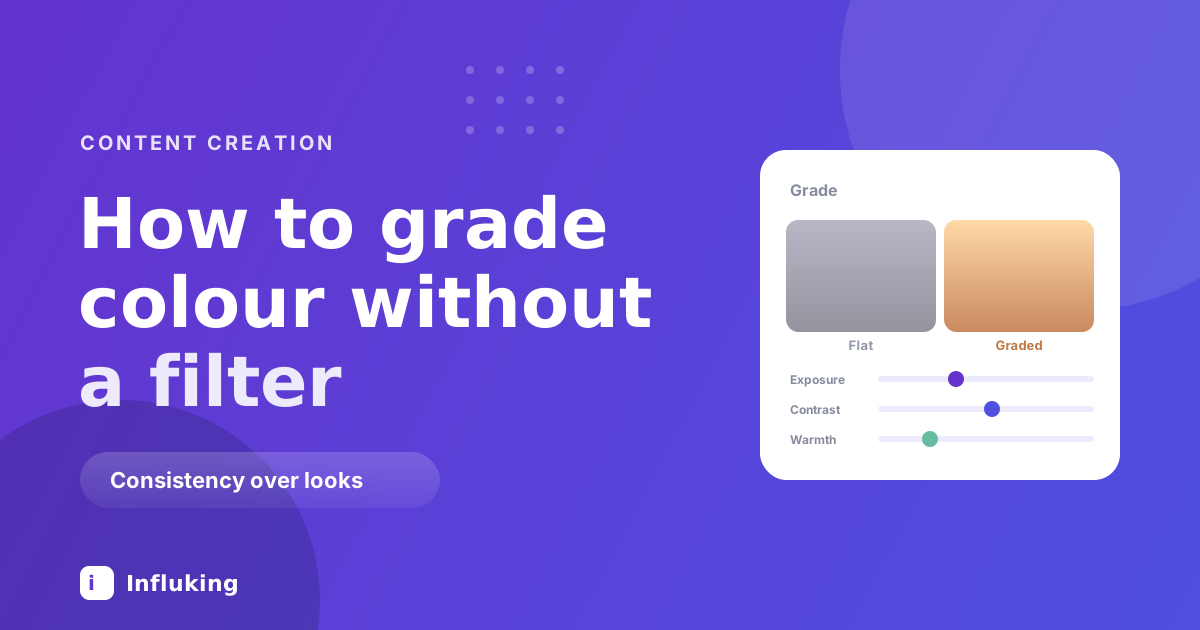
Color grading
Grading is not a filter. It is making footage look like it did in the room, then making every clip match. Skin tones, white balance, matching shots, and a repeatable look you can apply in two minutes.
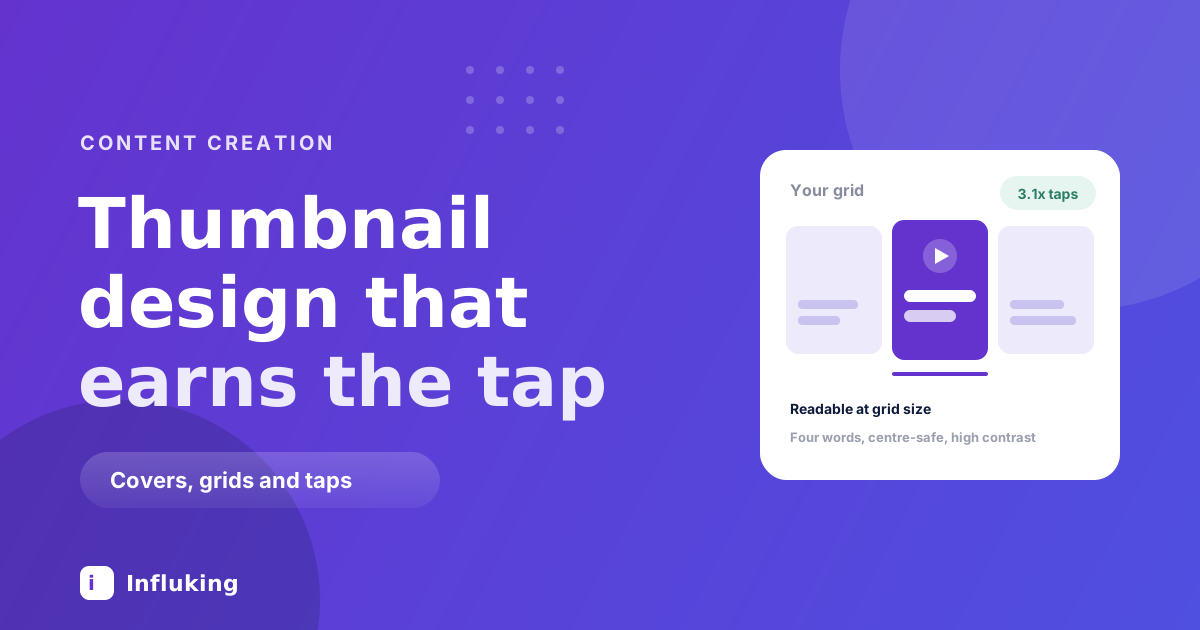
Thumbnail design
Your Reel cover is doing two jobs at once: earning a tap in the feed and sitting in your grid forever. What makes one readable at the size it is actually seen, and the rules that survive being shrunk to a fingernail.
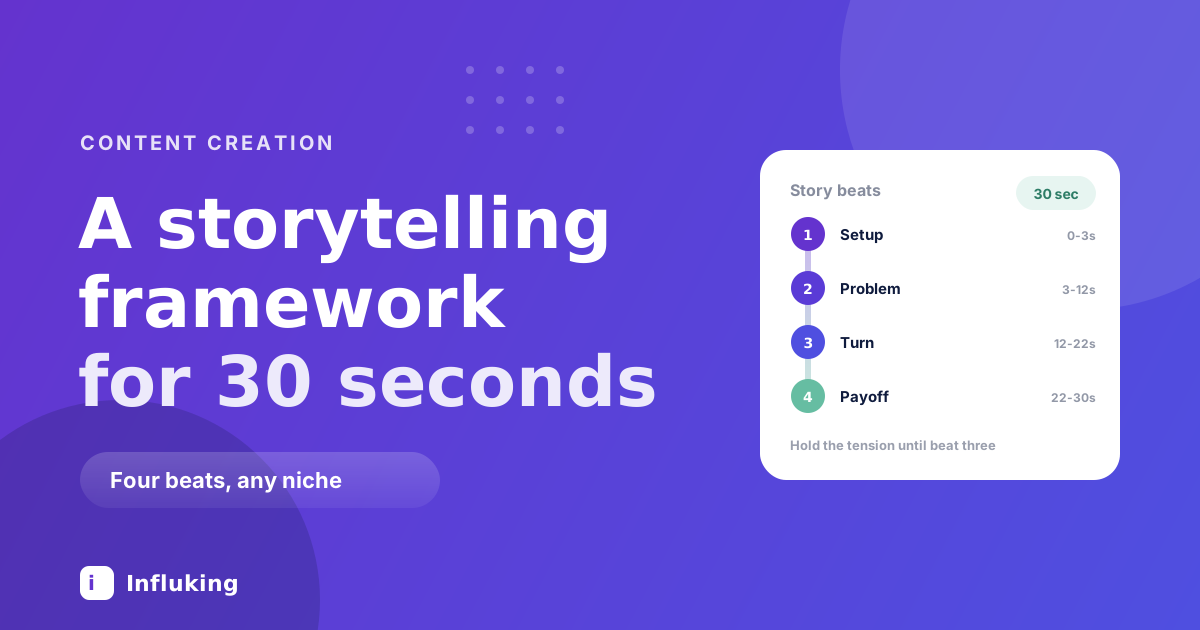
Storytelling framework
Most creators think storytelling means having an anecdote, decide their niche does not suit it, and stop there. Story is a structure for holding attention, and it works on a tutorial as well as on a confession.
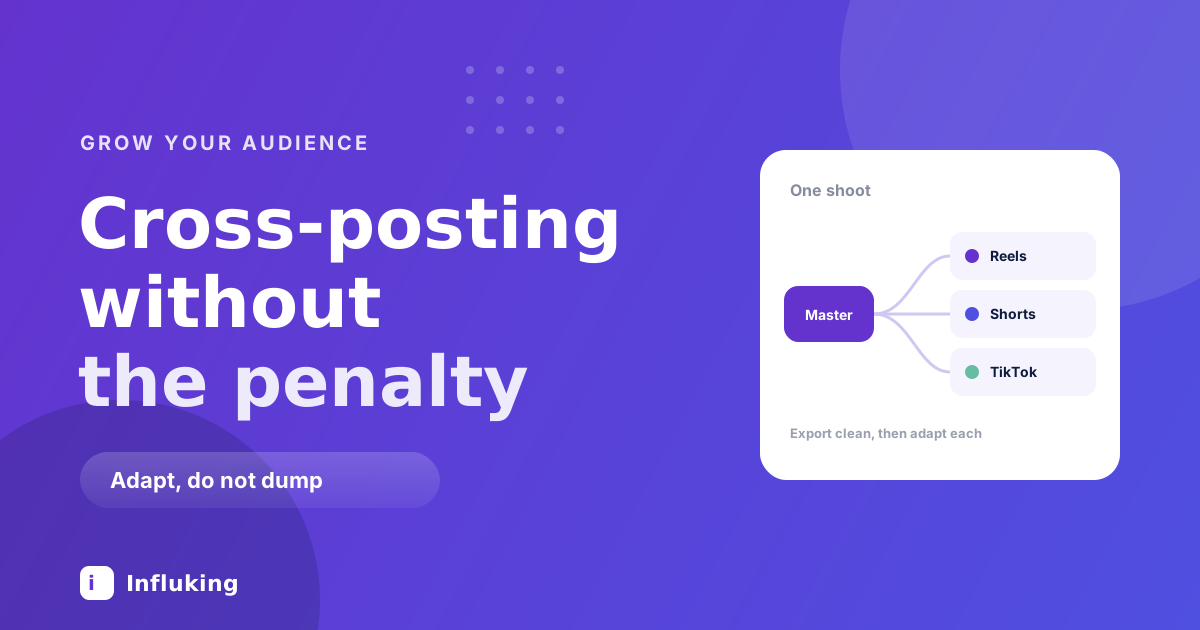
Cross-posting strategies
One shoot can feed four platforms, but only if you export clean and adapt each version. What to change per platform, what never to cross-post, and the workflow that takes twenty extra minutes instead of a second afternoon.
Collaboration posts explained
A collab post appears on two profiles at once and goes out to both follower lists from a single upload. How the feature works, how to find a partner, how to pitch without being ignored, and why most collabs underperform.
Broadcast Channels guide
A Broadcast Channel is a one-way group chat that notifies everyone who joined. Who should start one, what to send, how often, and why most channels are dead within a month.
How to use Instagram Notes
Notes sit at the top of the DM inbox, last 24 hours and take ten seconds to write. Almost nobody uses them properly. What to write, how often, and why the replies are worth more than the views.
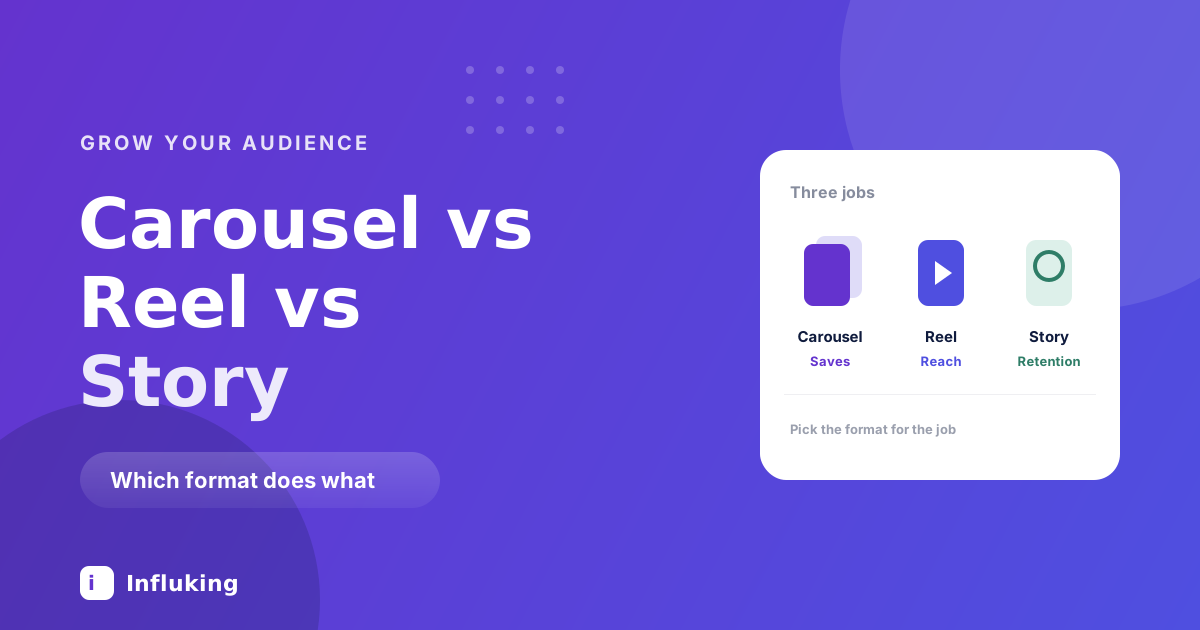
Carousel vs Reel vs Story
These three formats do not compete. Reels find strangers, carousels earn saves, Stories hold the audience you already have. Which one an idea belongs in, what mix to run, and what each format is genuinely bad at.
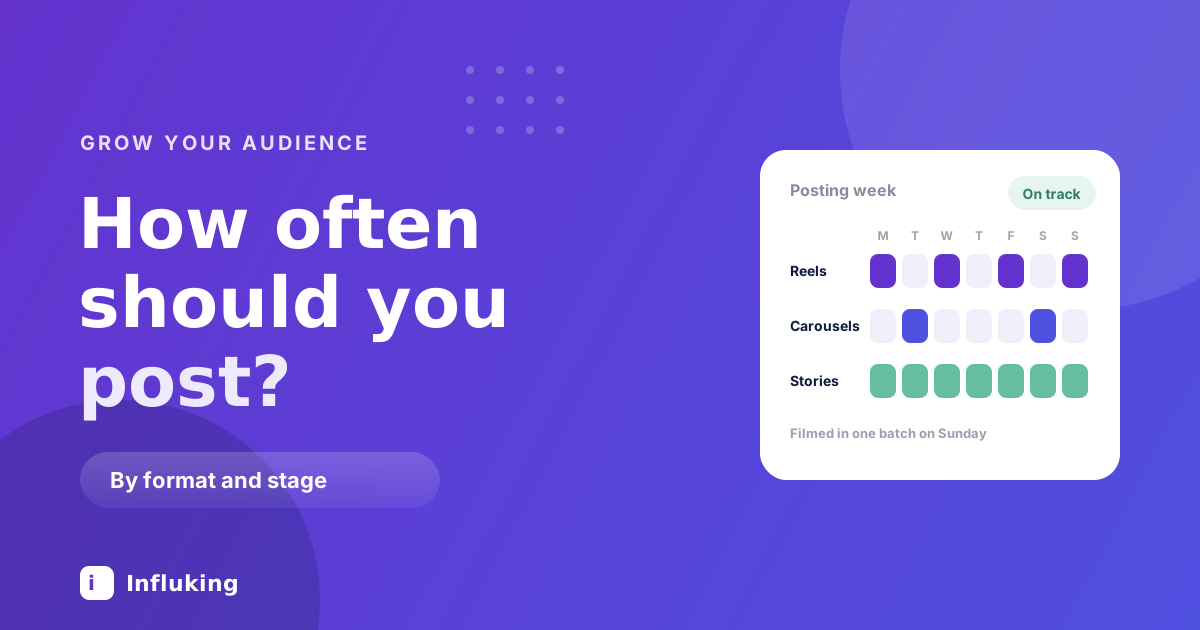
How often should you post?
The honest answer is fewer posts than you think, more consistently than you currently manage. Frequency by format, the floor below which nothing compounds, the ceiling where extra posts stop paying, and how to find your own number.
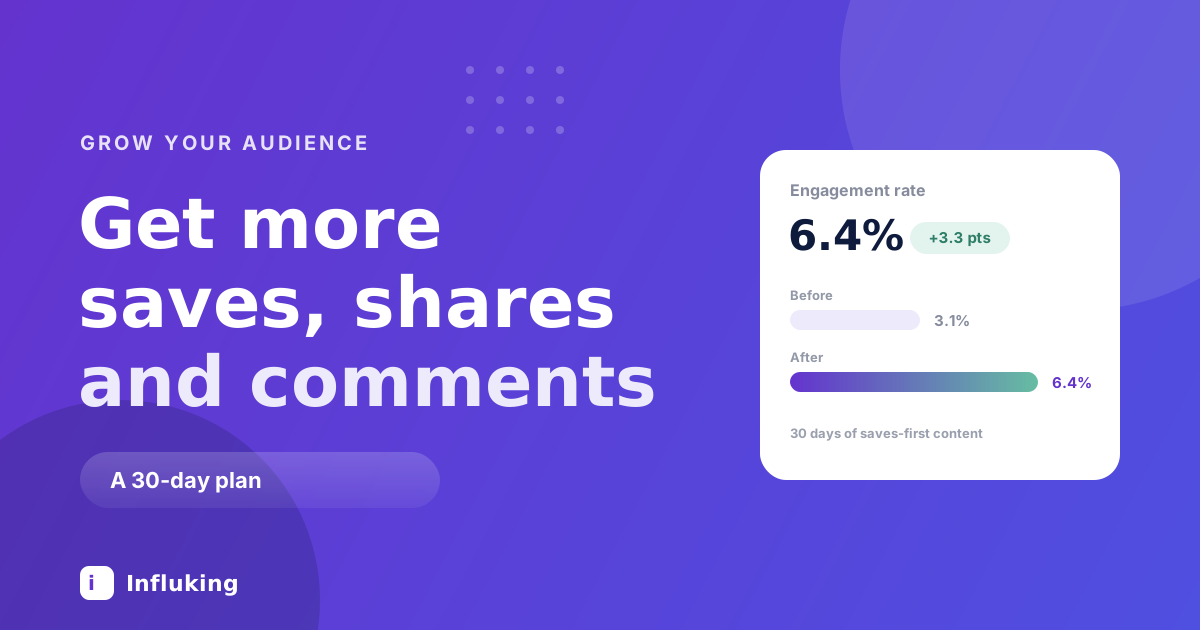
How to increase engagement rate
The practical version: how to design posts that get saved and shared, how to write questions people actually answer, the Stories lever almost nobody uses, and a 30-day plan for moving the number.
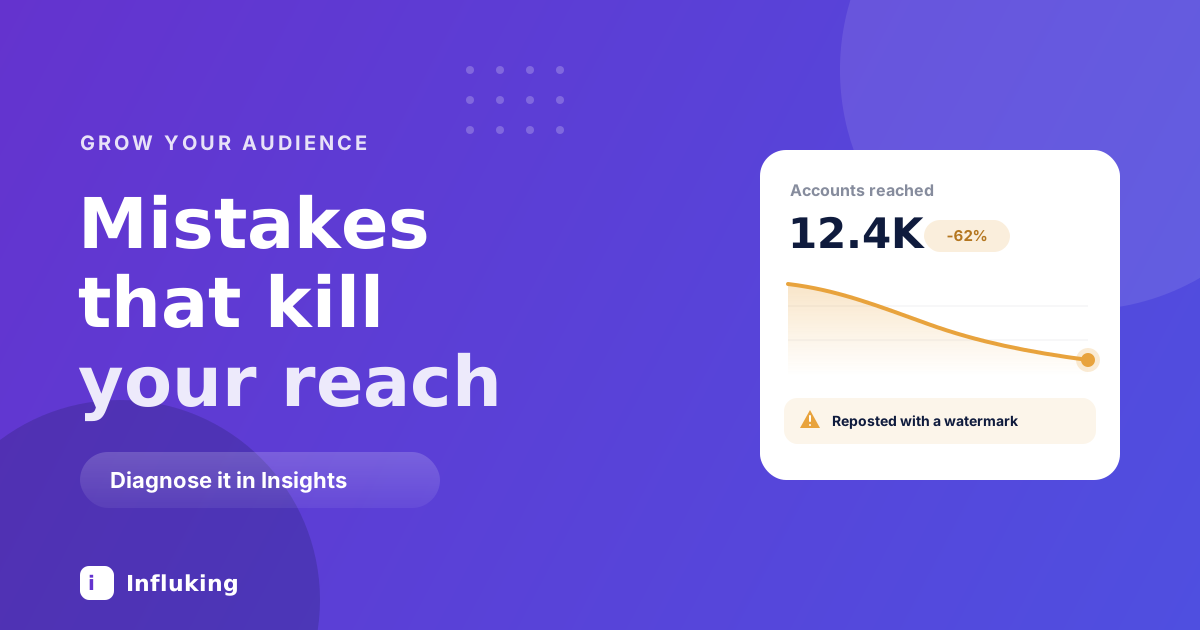
Mistakes that kill reach
When reach falls off a cliff, most people guess at the cause and change five things at once. The mistakes that actually suppress distribution, the popular theories that do not, and how to work out which one is yours.
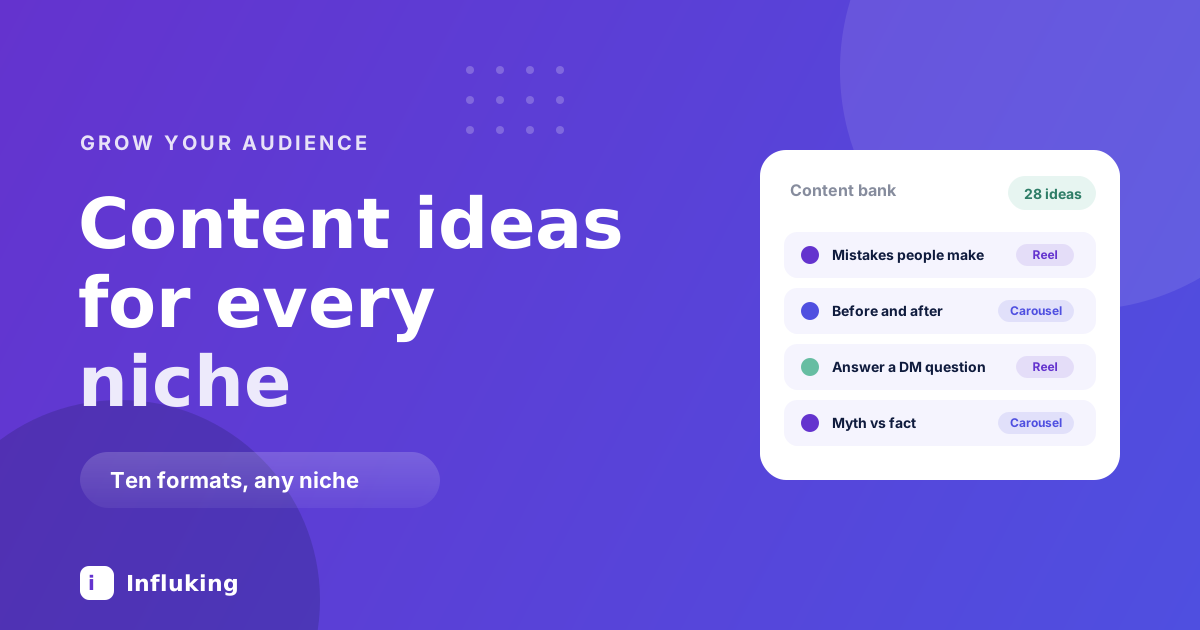
Content ideas for every niche
Running out of ideas is a sourcing problem, not a creativity problem. Five places ideas come from, ten formats that work in any niche, and what each one looks like across ten different niches.
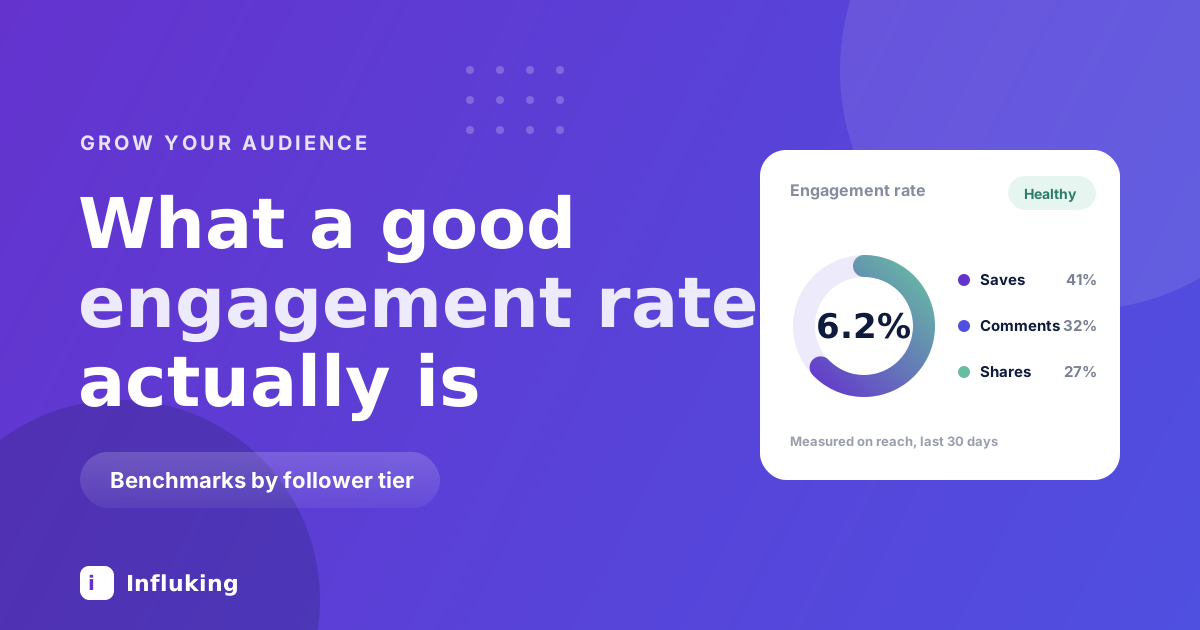
Instagram engagement rate: what's good and how to raise it
The same account can honestly report 2% or 14% depending on which formula it uses. How engagement rate is actually calculated, what counts as good at your size, and the things that move it.
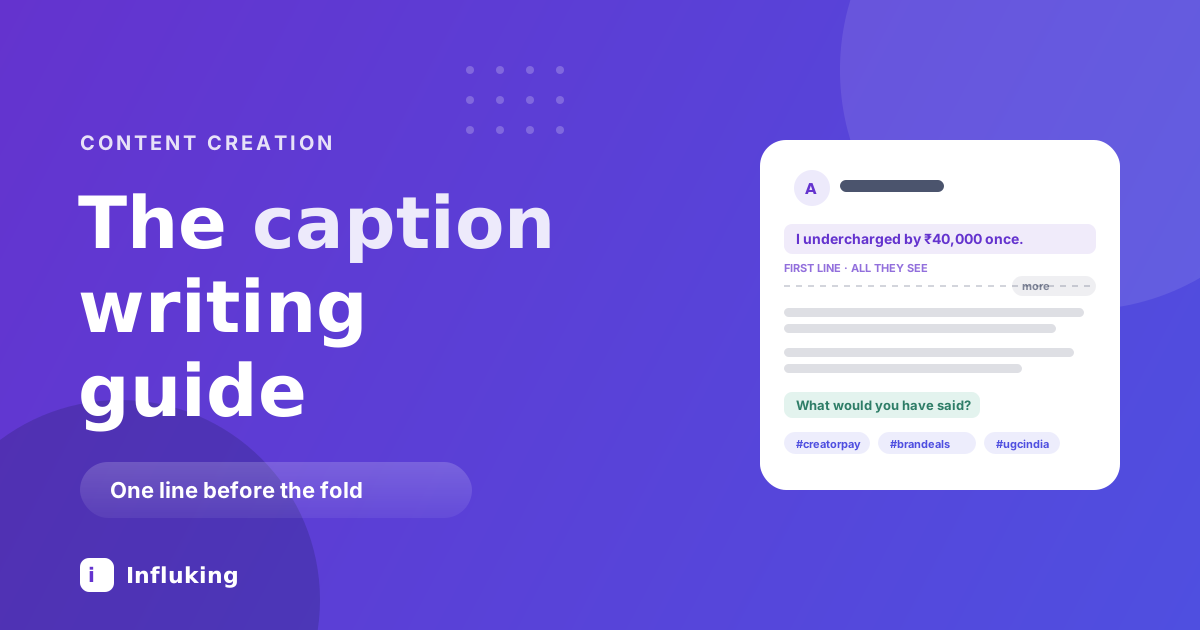
Caption writing guide
Most people write the caption in thirty seconds after spending three hours on the video. It drives comments, saves and search, and it is fixable with a structure. Here is the structure, plus reusable templates.
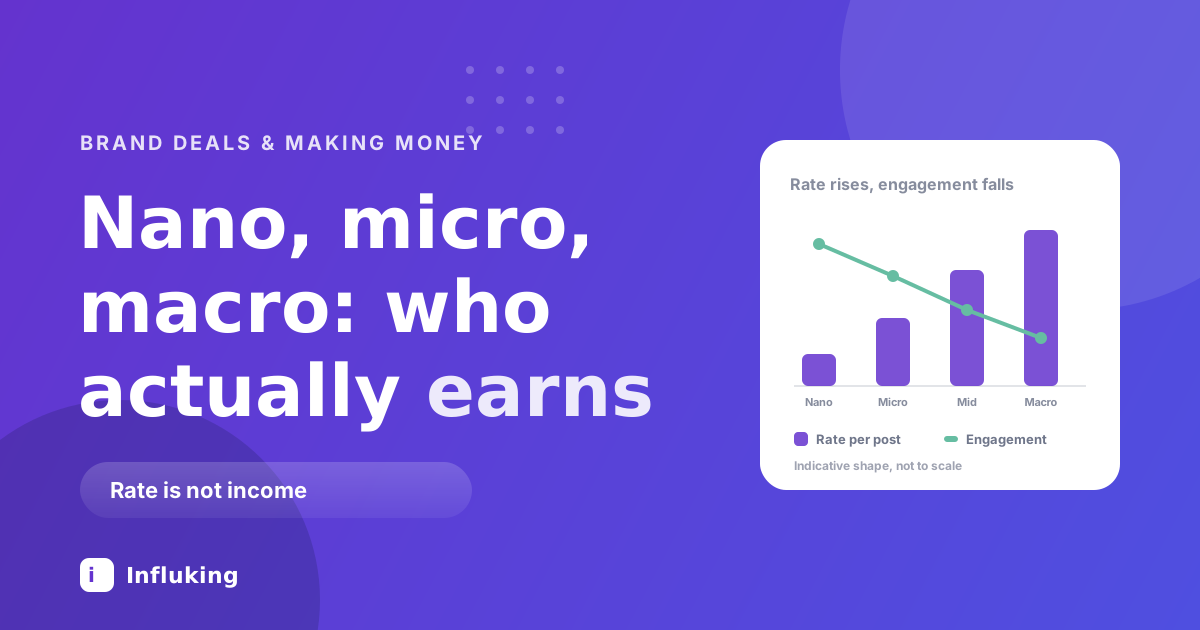
Nano vs micro vs macro influencer earnings
A macro influencer charges fifty times what a nano does and does not earn fifty times as much. How income really works at each tier, and why micro creators often out-earn bigger accounts per hour.
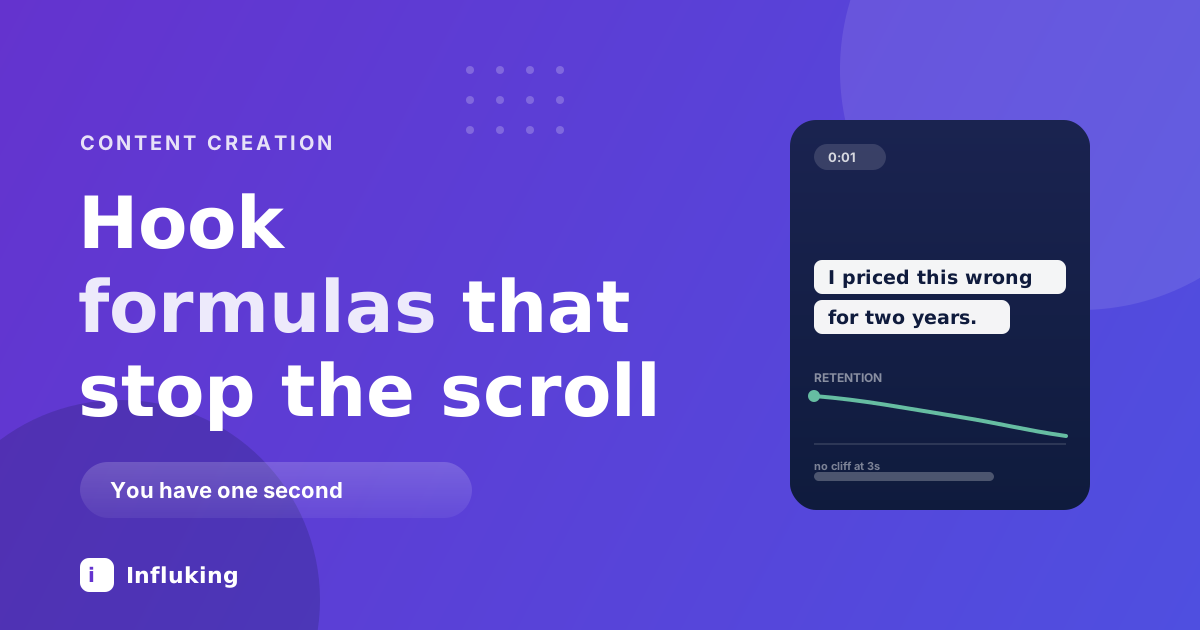
Hook formulas that stop the scroll
The first line decides whether anyone sees the rest. Twenty hook formulas with fill-in-the-blank templates, the rules that make any of them work, and how to test which suit your audience.
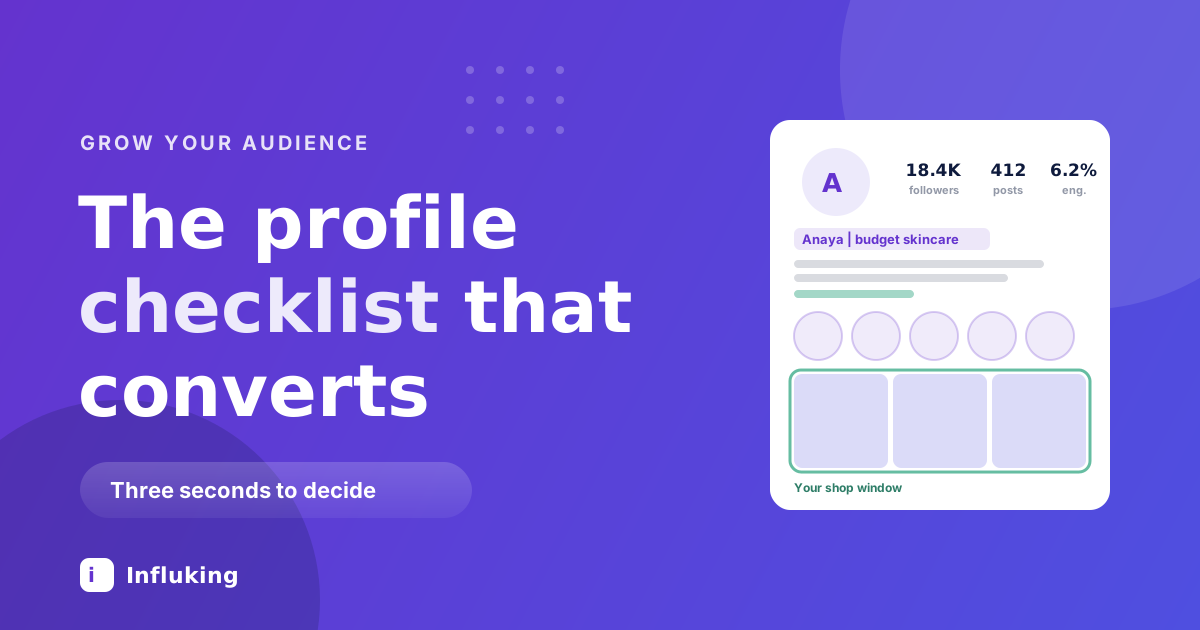
Instagram profile optimization checklist
A Reel does 50,000 views and brings 60 followers. The Reel worked, the profile did not. Every element to fix, in order, so the people your content reaches actually stay.
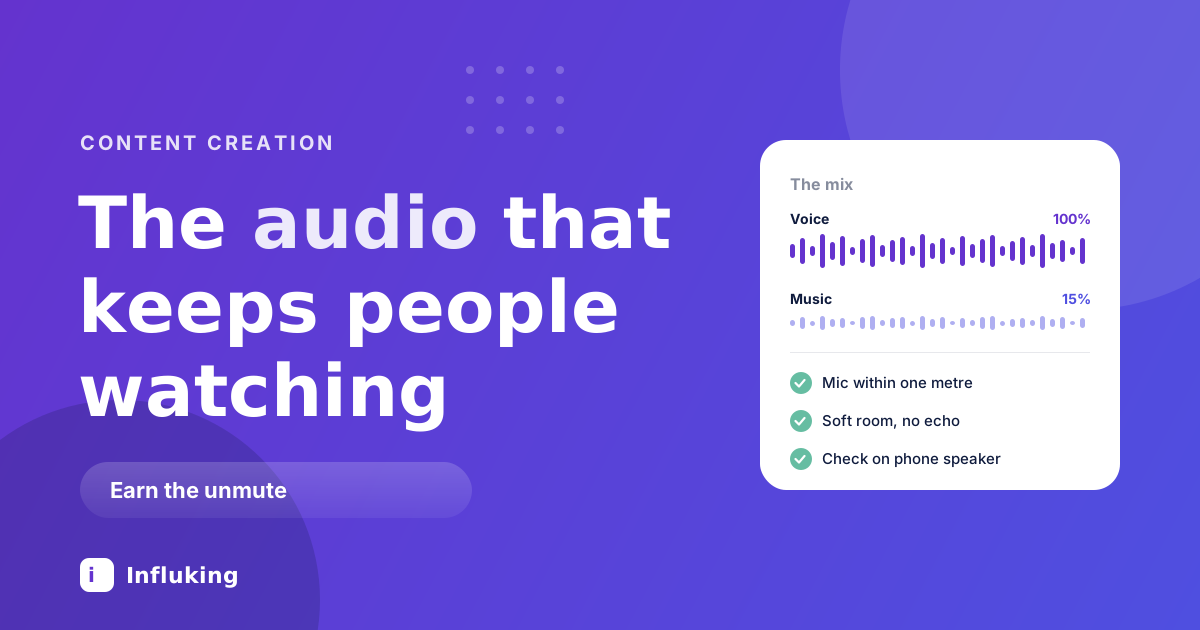
Audio that increases watch time
People forgive shaky footage and bad lighting. They do not forgive audio they have to strain through. How to record a clean voice on a budget, mix music properly, and use sound to hold attention.
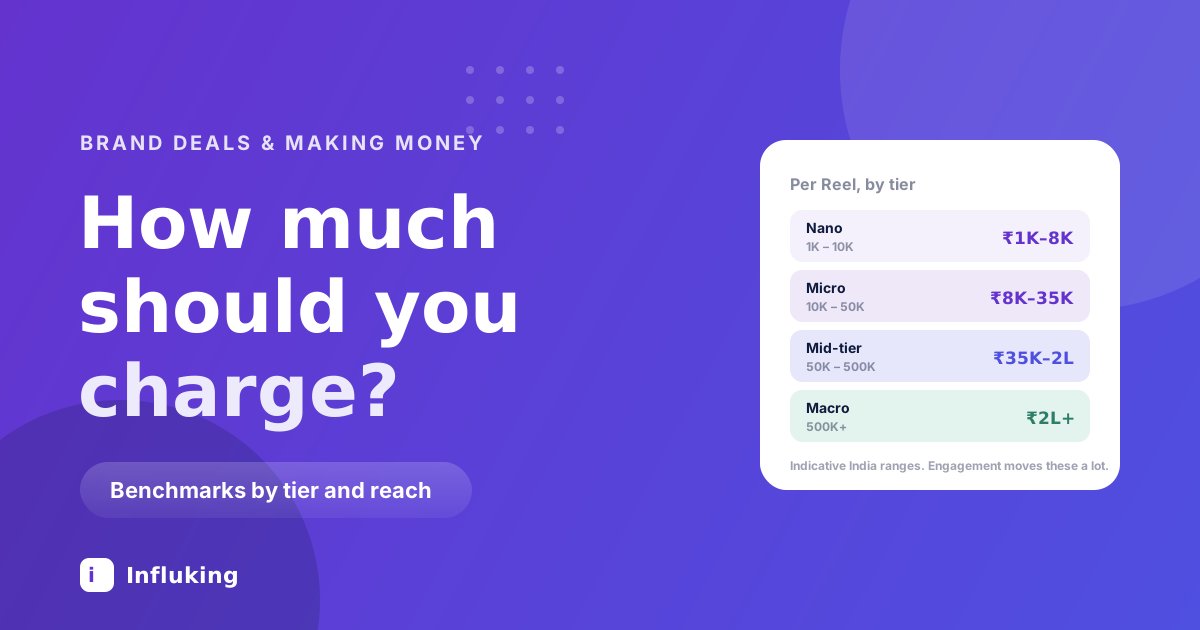
How much should influencers charge?
Nobody publishes an official price list, so most creators guess and most guess low. Realistic benchmarks by follower tier and format for the Indian market, and how to tell when you are undercharging.
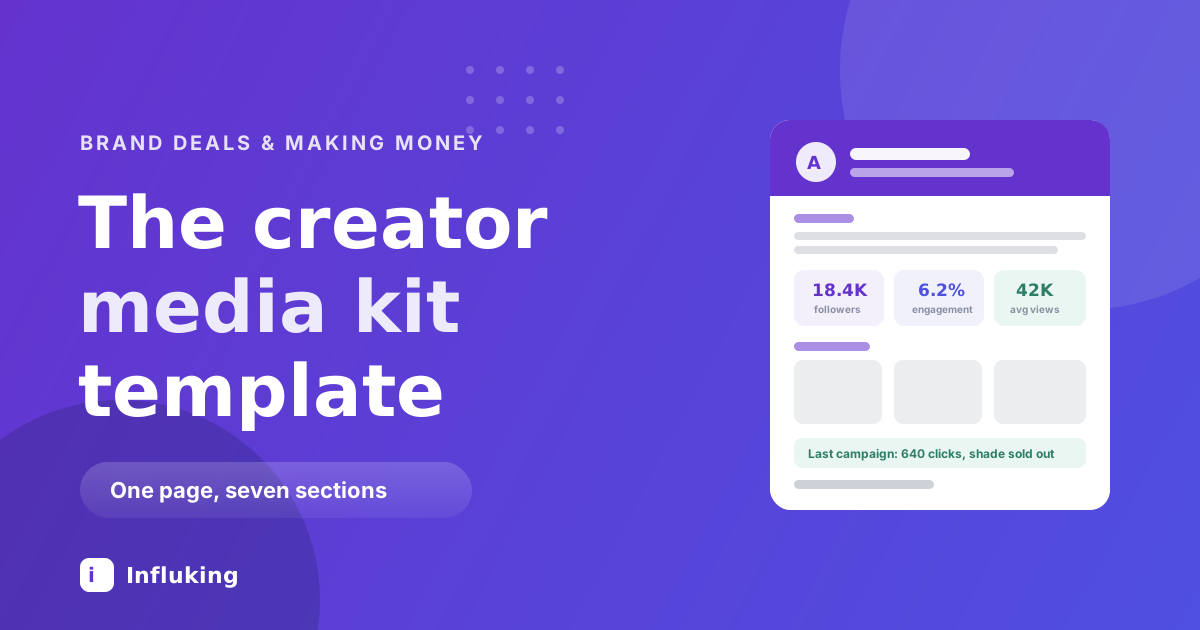
Media kit template for creators
A media kit is one page that answers every question a brand has before they decide to pay you. The seven-section template, which numbers to include, and how to write it when your account is still small.
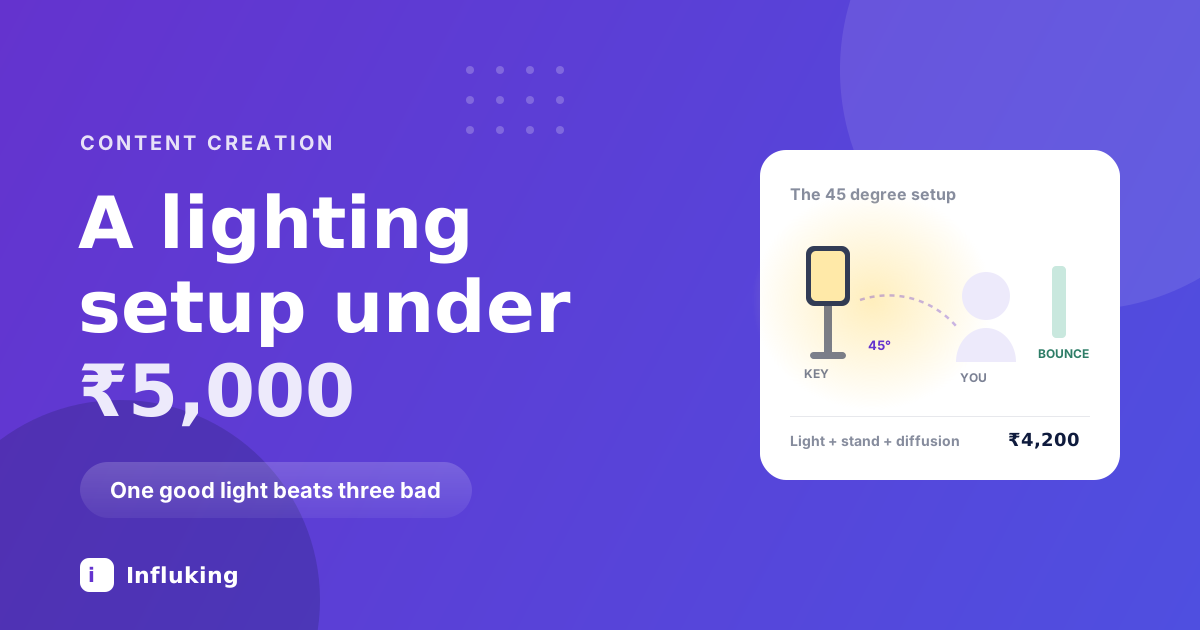
A content lighting setup under ₹5,000
Light does more for your content than any camera upgrade. Four setups from free to five thousand rupees, where to place everything, and which popular purchases are a waste of money.
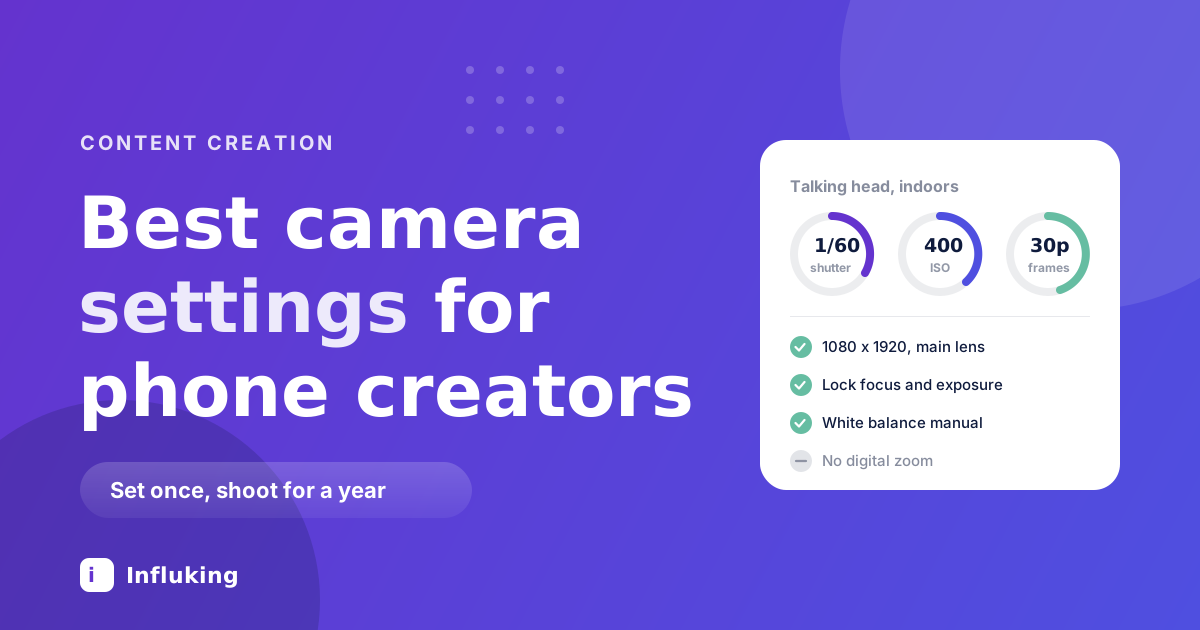
Best camera settings for Instagram photos and Reels
Most phone footage looks amateur for three fixable reasons: wrong frame rate, drifting exposure and digital zoom. The settings to change once, the ones to set per shot, and a reference by situation.
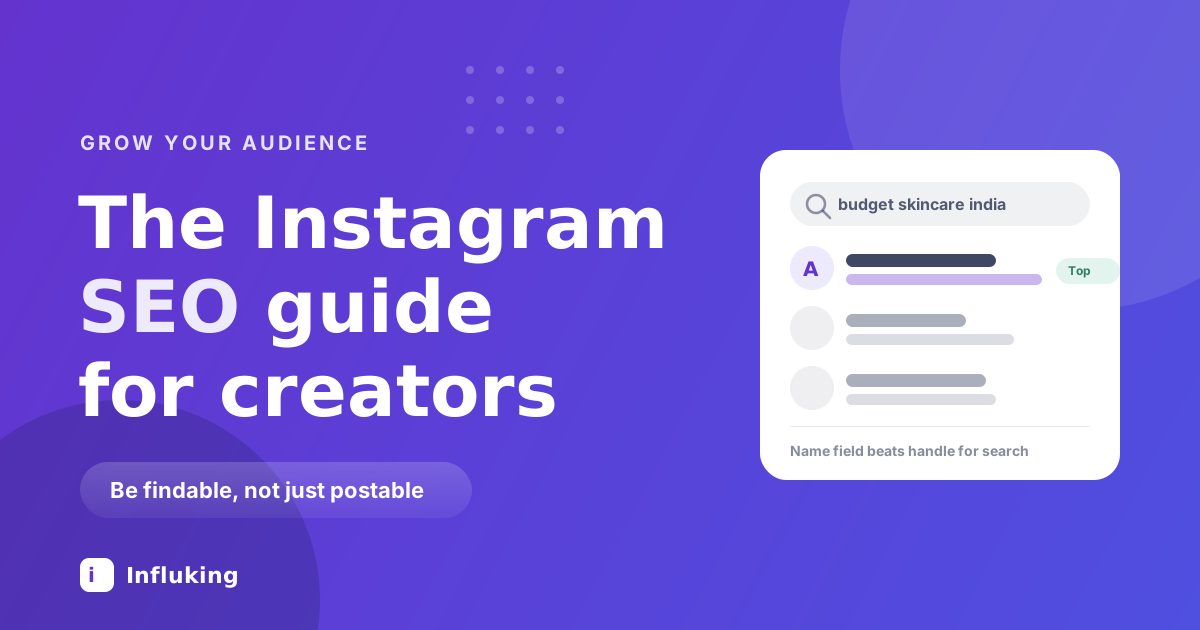
Instagram SEO guide: how to get found in search
People search inside Instagram now, the way they search Google. Your captions, name field and on-screen words decide whether you get found months after posting. Here is how to make your account searchable.
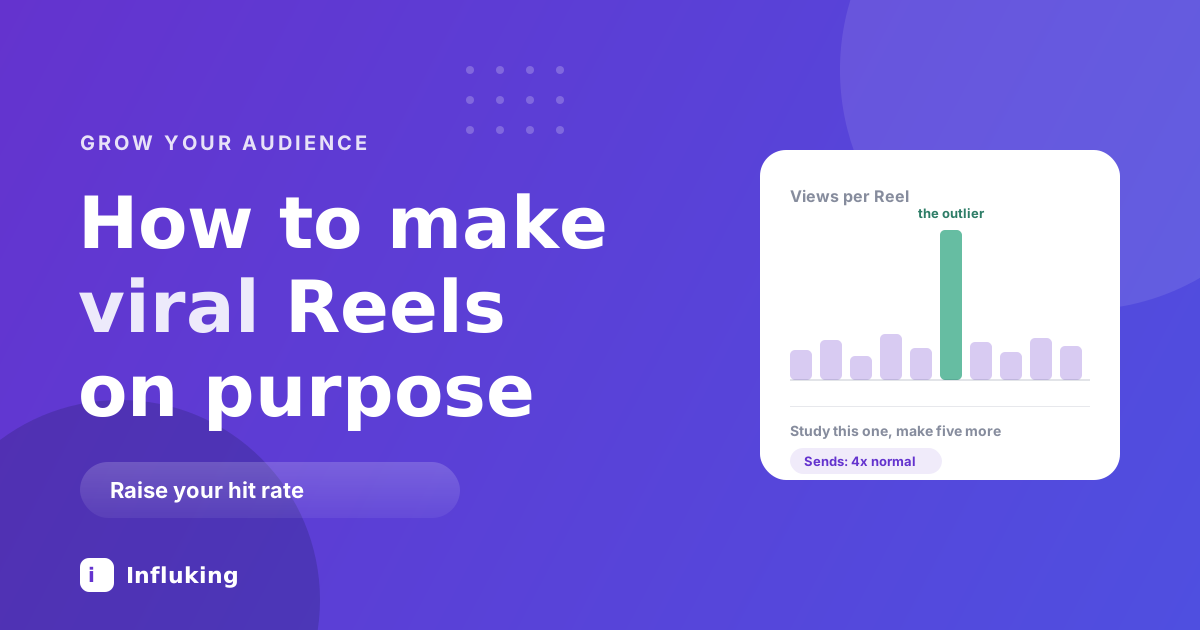
How to make viral Reels
Nobody can guarantee a viral Reel. What you can do is raise your hit rate: pick ideas that travel, open in a way people cannot scroll past, and make something worth sending to a friend.
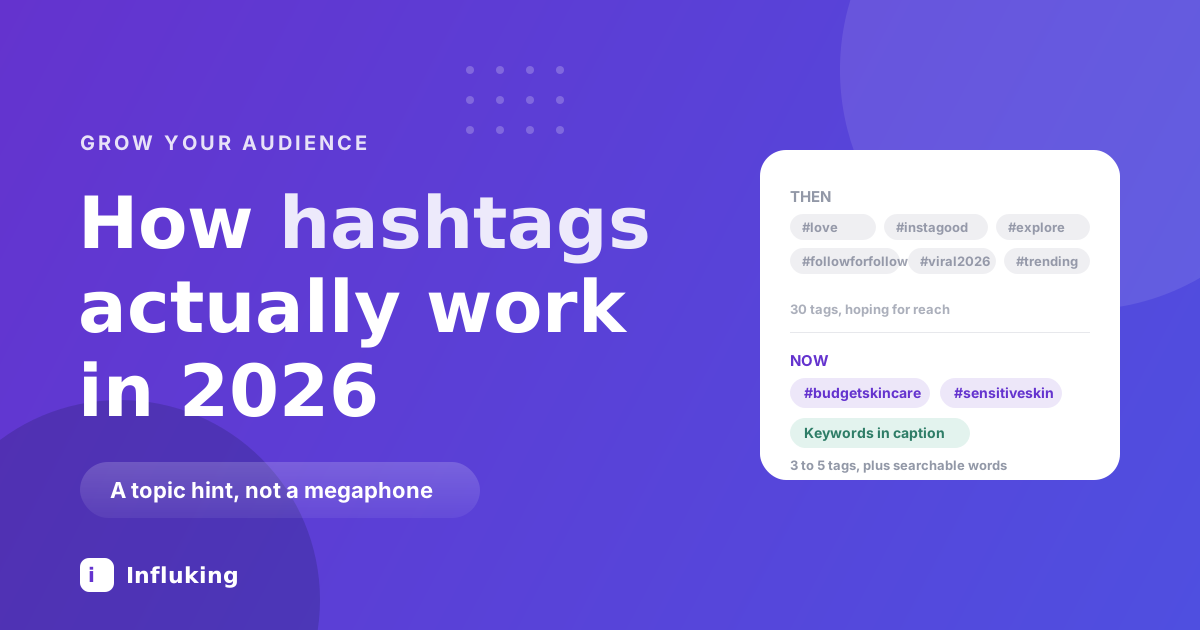
How hashtags work in 2026
Hashtags stopped being a distribution channel a while ago. They are a topic hint now, and plain searchable language replaced them. What they still do, how many to use, and where to put your effort instead.
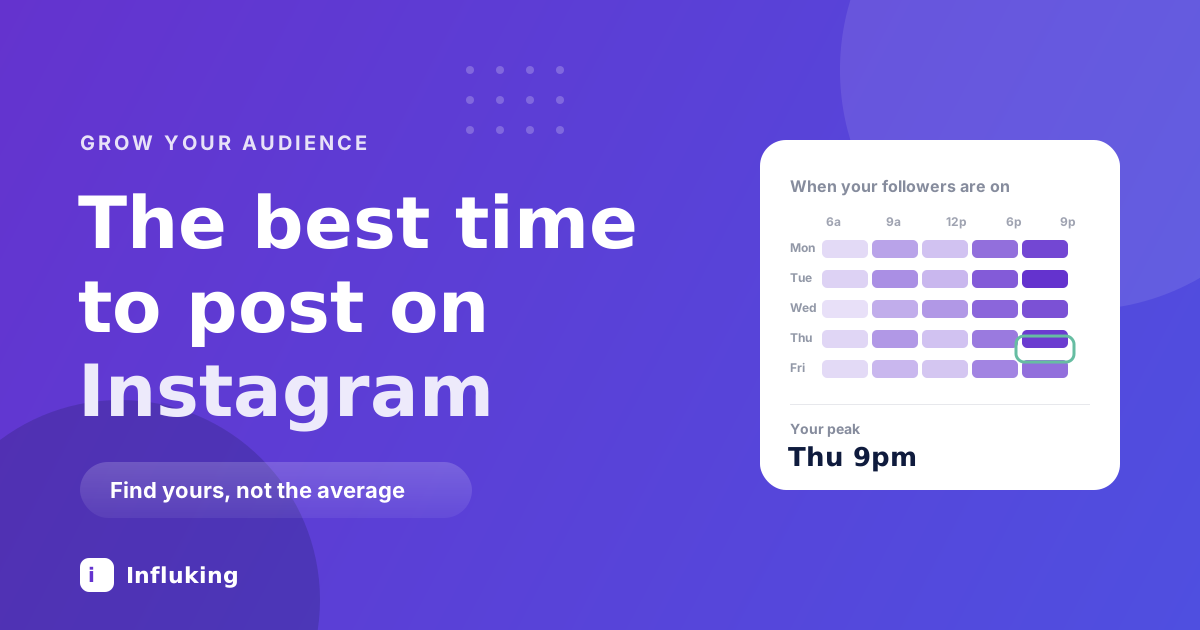
The best time to post on Instagram
Every article gives the same universal answer, and it is wrong for your account. Where posting time genuinely matters, where it does not, and how to find your own window from your own data.
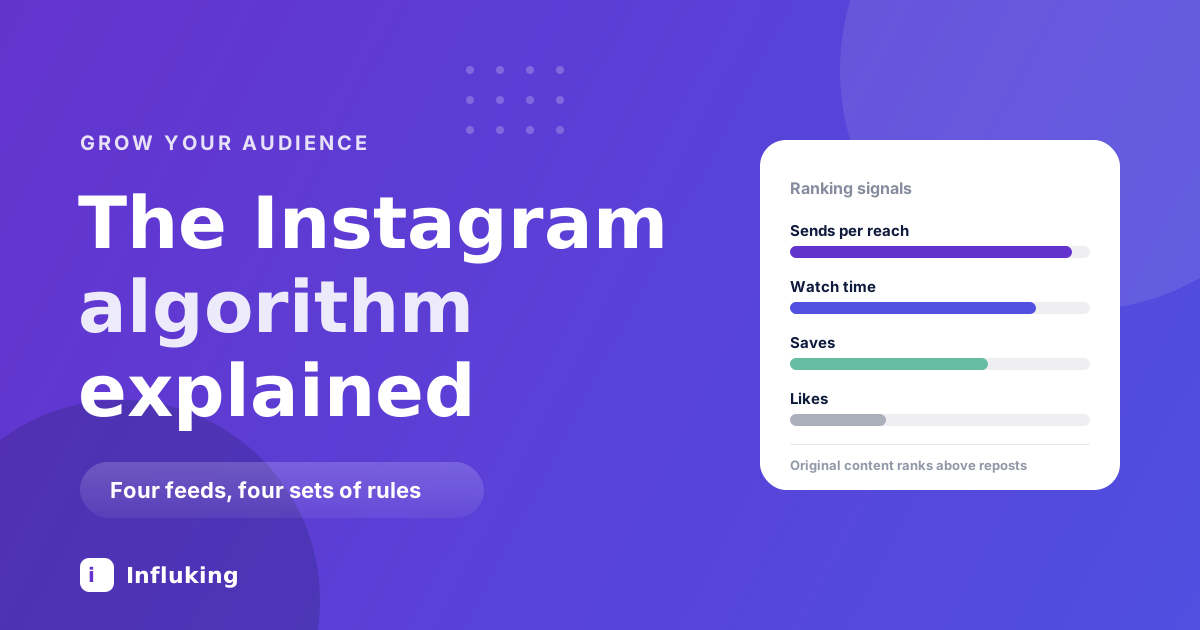
The Instagram algorithm explained
There is no single Instagram algorithm. There are several, one per surface, each ranking on different signals. What each one rewards, which signals move reach, and which popular theories are nonsense.
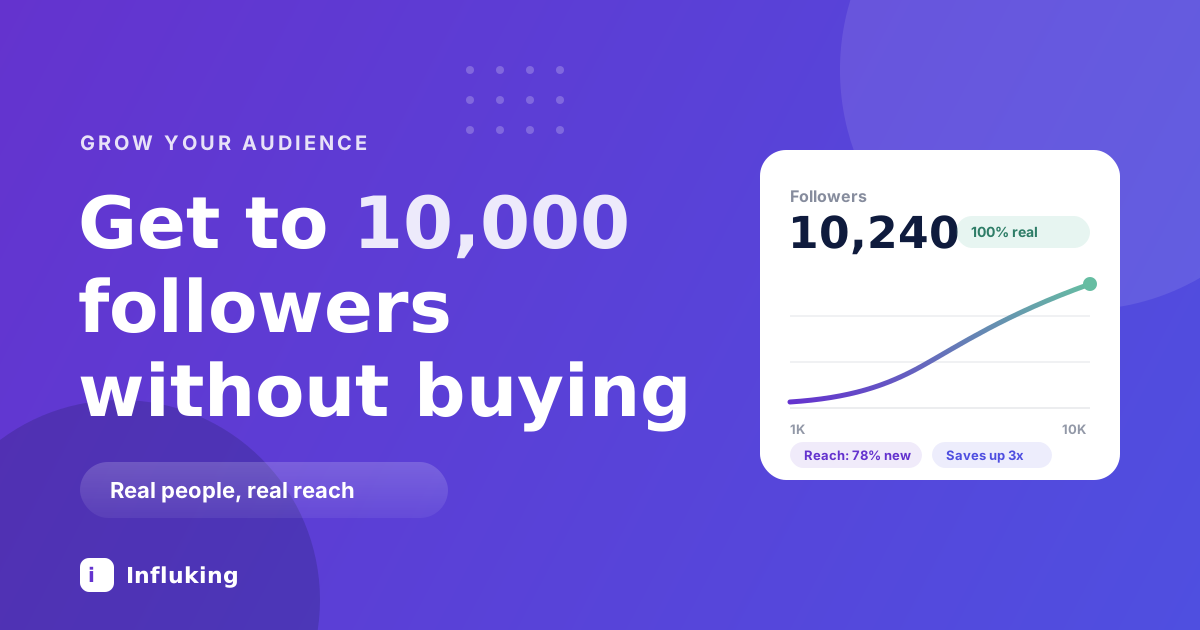
How to get 10,000 followers without buying followers
Bought followers cost less than a takeaway and quietly ruin the account you paid for them with. Here is what actually takes you from 1,000 to 10,000, and how long it really takes.
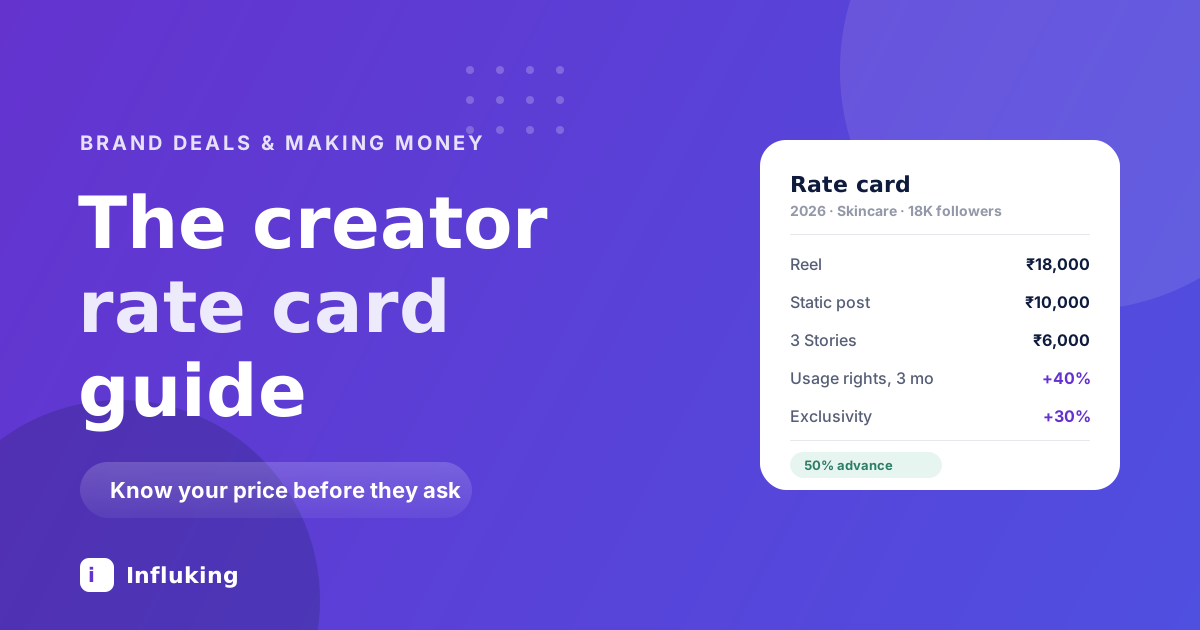
Rate card guide: what to charge as an influencer
A rate card stops you guessing at prices in a DM at 11pm. What goes on one, three ways to work out your numbers, what to charge extra for, and how to send it without losing the deal.
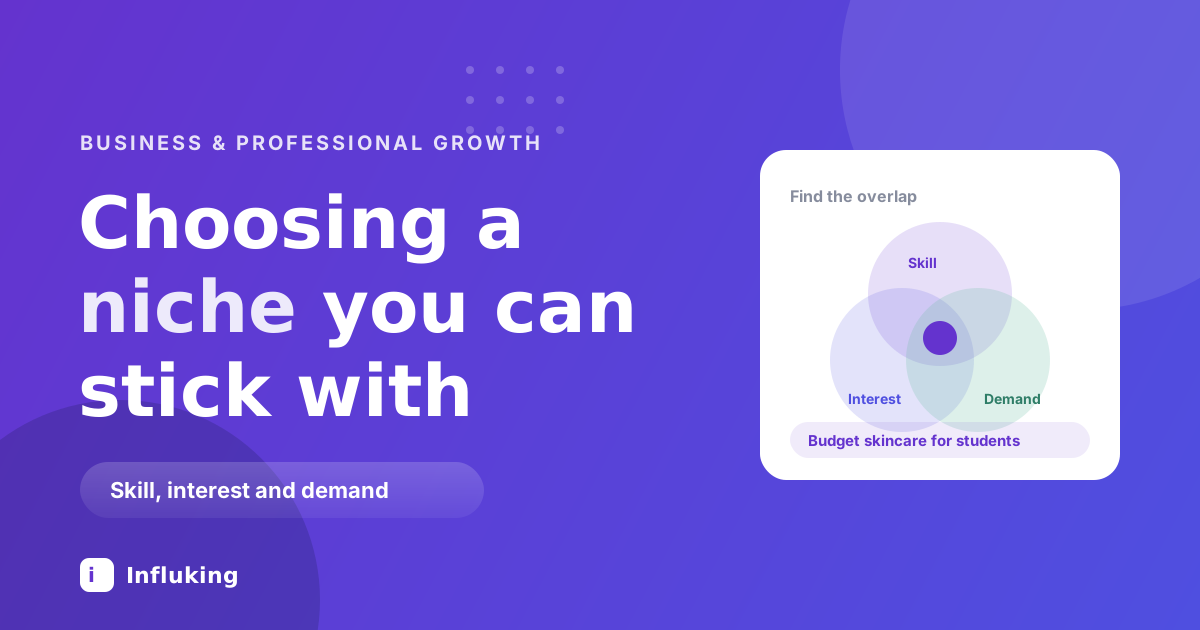
Choosing a niche: how to pick one that pays and still suits you
Picking a niche feels like closing doors. It is the opposite: it is how people find you at all. Here is how to choose one using what you are good at, what you can keep making, and what someone will pay for.
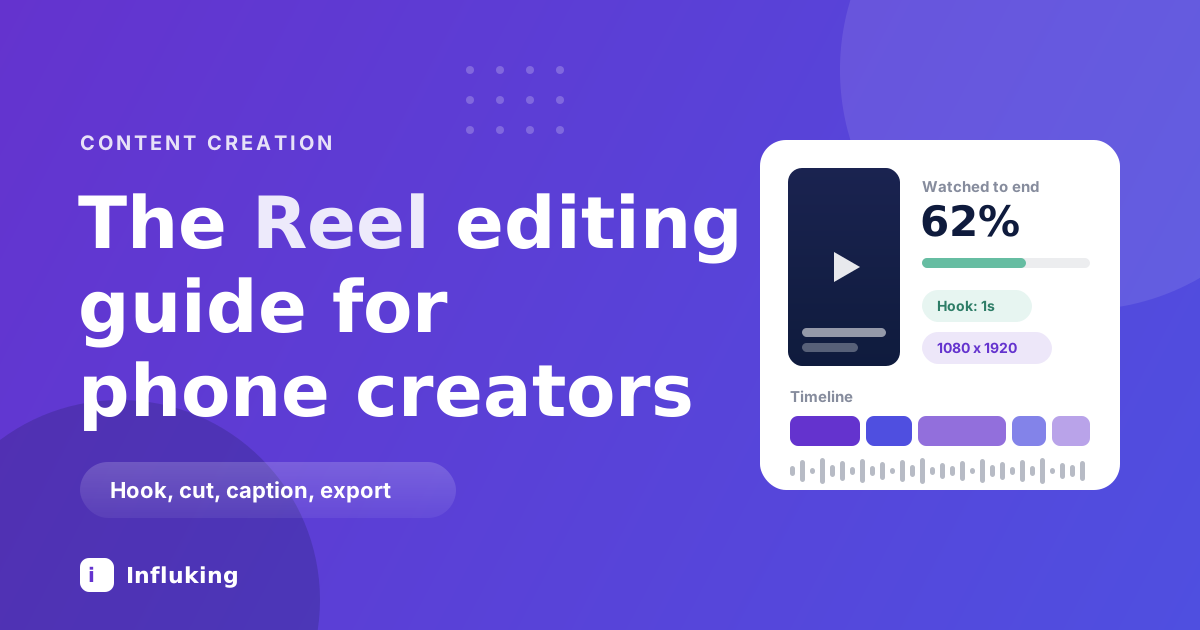
Reel editing guide: how to edit Instagram Reels people watch to the end
Good Reels are made in the edit. The full phone workflow: the first second, cutting for pace, captions that get read, syncing to the beat, and the export settings that protect your quality.
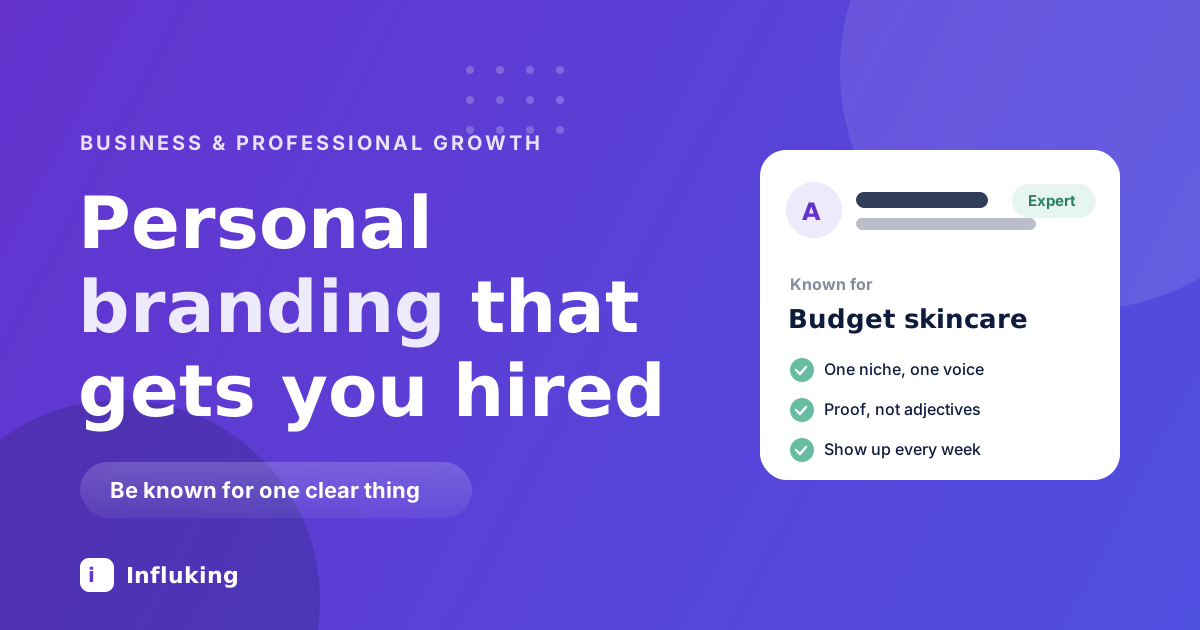
Personal branding: how to build a personal brand that gets you hired
Your personal brand is the sentence people use to describe you when you are not in the room. Here is how to decide what that sentence says, build the proof behind it, and turn it into paid work.
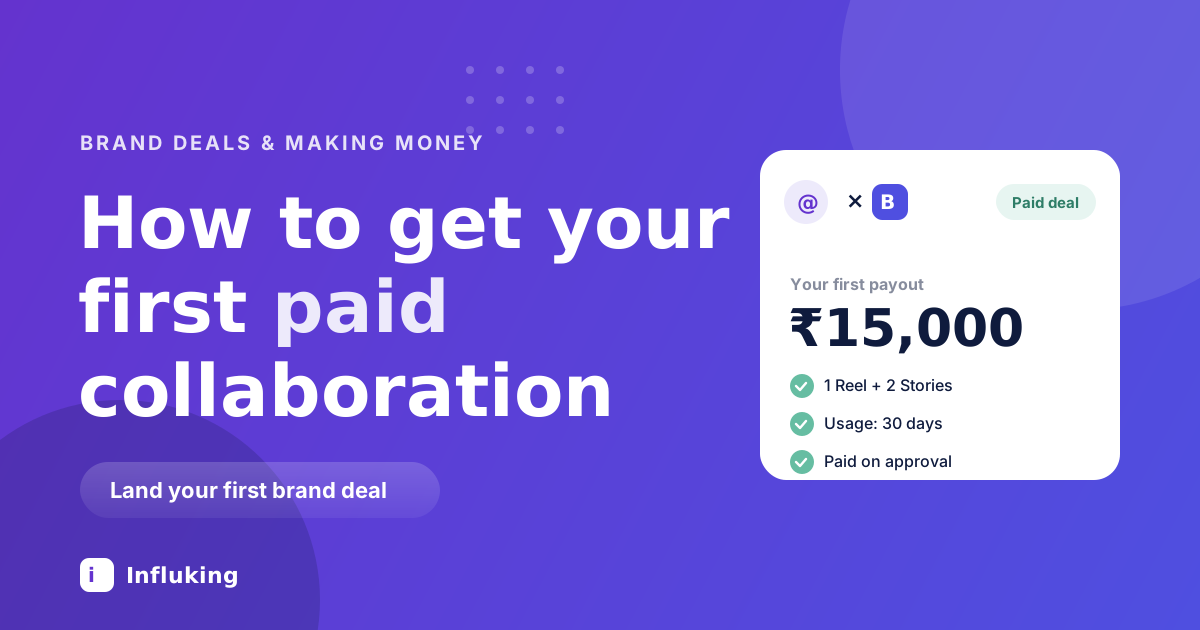
How to get your first paid brand collaboration
You do not need 100k followers to get paid. You need the right pitch, a fair rate, and to know where brand deals actually come from. Here is how to land the first one.
Mobile photography guide: shoot pro-quality photos on your phone
Your phone is already good enough. What separates flat snaps from scroll-stopping photos is light, framing and a few habits. Here is the whole guide, no gear required.
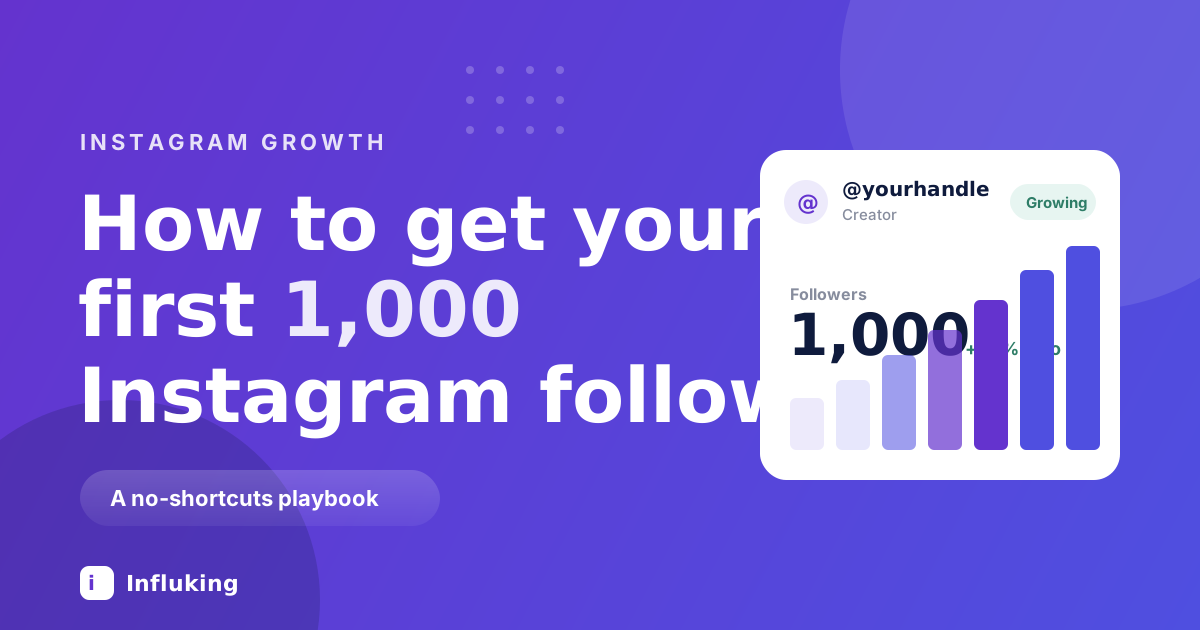
How to get your first 1,000 Instagram followers
The first 1,000 followers are the slowest to earn. Here is the routine that gets you there: what to fix on your profile, which format actually brings strangers in, and how long it usually takes.