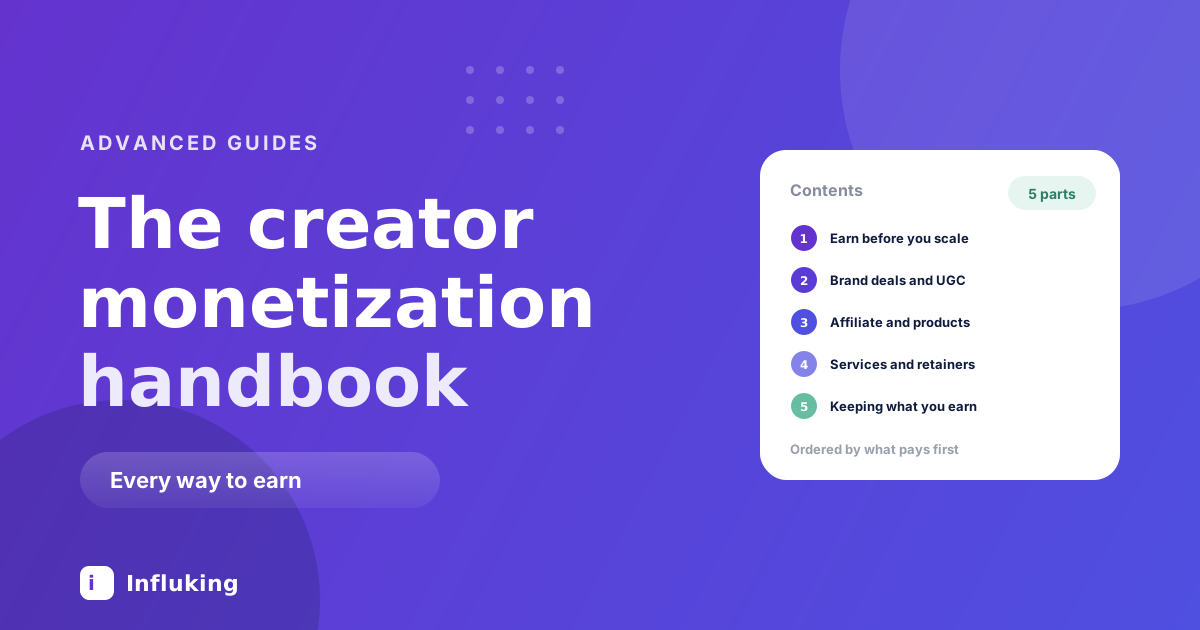
Monetisation advice usually starts with the most impressive option, which is why creators build courses before they have sold anything. The useful order is what pays first at your current size, then what compounds.
This maps every route, roughly in the order it becomes available.
Before anything: what you are selling
There are only two things. Access to your audience, or your ability to make something. They have completely different requirements, and confusing them is why some creators wait years to earn.
Selling access needs an audience worth reaching. Selling ability needs a skill, and works at any size. Most people assume only the first exists.
Earns first, needs no audience
UGC. Making content brands post on their own channels. Follower count is close to irrelevant because they are buying the footage, and it is priced on usage rather than reach. The most reliable early income there is: UGC creator guide.
Services. Consulting, coaching, running social for a brand, editing for other creators. The fastest route to meaningful income with a small following, because you are selling expertise. The service is usually whatever people already ask you in DMs.
Both of these pay while you are still building, which is why they matter more than their reputation suggests.
Earns next, needs a real audience
Brand deals. The largest and lumpiest income for most creators. Start with what to charge in how much should influencers charge and the rate card guide, then get the deal itself right in negotiating with brands.
The full cycle from pitch to payment is in the brand collaboration handbook. The thing worth internalising early is that usage rights, exclusivity and paid amplification often carry more value than the posting fee, and creators give all three away by default.
Collaboration and licensing. Licensing footage you already made is underused and is the natural extension of doing UGC well.
Compounds slowly, start early
Affiliate. Pays nothing per post and keeps paying from content published a year ago. Small at first, which is exactly why starting early matters: affiliate marketing guide.
It depends entirely on old content still being found, which makes it the income stream most tied to search visibility.
Digital products. Templates, presets, guides. High margin and no delivery cost. The rule that saves months: only build what people have repeatedly asked you for. Building something nobody requested is the most common expensive mistake here.
Needs a committed audience
Memberships. Predictable recurring revenue and a permanent content obligation that arrives whether you feel like it or not.
Courses and cohorts. Real income and real work, closer to running a teaching business than to posting.
Speaking and workshops. Well paid per hour, irregular, and usually arrives because of everything else rather than being pursued.
All three fail without proven appetite. Sell a service or a small product first and see whether anyone buys before committing months.
The order, and why
- Service or UGC. Pays now, needs no audience, teaches you what people actually value.
- Brand deals. Once there is an audience worth reaching.
- Affiliate underneath. Start early, expect nothing for months.
- Digital product. Once the repeated question is obvious.
- Membership or course. Last, and only with evidence.
Each should reuse work you already do. A stream requiring a whole new production pipeline is a second job rather than added income, which multiple income streams covers along with the concentration figure that tells you when to add one.
Raising what you earn without more followers
Usually available faster than growth is.
- Charge for usage separately. The single largest uncaptured value in most deals.
- Stop absorbing overhead. Calls, revisions and invoice chasing are hours nobody priced.
- Get repeat bookings. A results summary after each campaign, per managing clients.
- Follow up on dead threads. Most lost income is conversations nobody revisited, per creator CRM.
- Improve engagement rather than reach. It is the number brands check: how to increase engagement rate.
Keeping what you earn
Earning more and keeping more are separate problems, and the second is entirely unglamorous.
Invoice properly so payment arrives on time, per how to invoice brands. Understand that the money in your account is not what you earned, because tax was deducted before it arrived and GST you collected was never yours, per the tax guide and GST basics.
A separate bank account and a fixed percentage set aside solves more problems than any income strategy.
What does not work
- Waiting for a follower number. Plenty of accounts pass 20,000 having never earned anything.
- Building a product before demand exists. Six weeks making something nobody asked for.
- Undercharging to seem reasonable. It anchors every future conversation with that brand.
- Diversifying instead of raising rates. Often the same income is available by charging properly.
- Gifted work with deliverables attached. That is a paid job described differently.
The creators earning well are rarely the largest. They are the ones who started selling something early, charged for the parts nobody thinks to charge for, and kept the boring end of it in order. None of that requires a bigger audience, which is the useful part.